
Key Takeaways
- Every phase of a trial involves crucial decisions by attorneys, judges, and jurors.
- Successful outcomes often hinge on strategy, communication, and a clear narrative.
- Research and real-world observation highlight patterns that influence results.
Introduction
Every courtroom trial hinges on decisions made from jury selection to verdict. Legal strategy, communication effectiveness, and storytelling influence outcomes. Every choice can ripple through the trial and impact justice. For anyone seeking guidance or representation, choosing an experienced trial practice lawyer Northwest Louisiana is vital for navigating these crucial moments.
The trial journey relies on strategy and evidence. Attorneys and judges shape the process, from admissible facts to case arguments. Knowing these stages is crucial for parties, jurors, or observers of justice.
Jury Selection: Laying the Groundwork
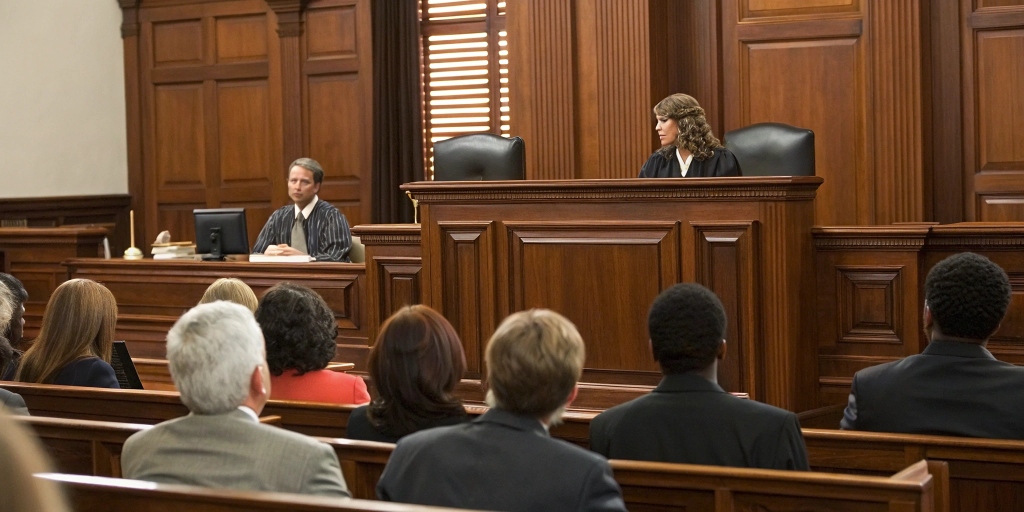
Jury selection, or voir dire, is crucial to trials. It involves attorneys questioning potential jurors to identify biases and attitudes that could sway their view of the case. Both sides aim to assemble a panel sympathetic to their stance, using challenges to shape the jury. A single juror’s influence can significantly affect the outcome. Attorneys’ communication, rapport-building, and body language during this phase often reveal their trial strategies. Their experience and observations guide these critical decisions.
Pre-Trial Motions: Setting the Rules
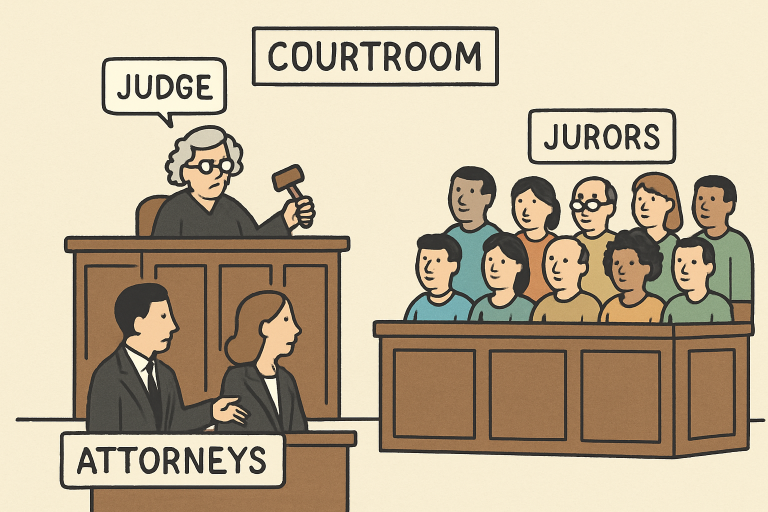
Before testimony begins, both sides submit pre-trial motions that outline the evidence the jury will consider. Motions in limine may exclude certain evidence, while others could suppress testimony deemed unreliable or prejudicial. These legal maneuvers help establish boundaries, set ground rules, and, at times, reshape the narrative before it officially begins. As outlined by the American Bar Association, understanding these motions is crucial for appreciating how the trial unfolds.
Opening Statements: Framing the Story
Opening statements provide the first direct communication from lawyers to the jury. Rather than presenting evidence, the objective is to outline the narrative, offering jurors a road map of key themes and expectations. Savvy attorneys seize this opportunity to establish trust by focusing on clarity and authenticity, rather than drama or exaggeration.
The most effective opening statements connect with jurors on an emotional level while maintaining a commitment to facts and fairness. These initial impressions can echo throughout the entire proceeding, affecting how subsequent testimony and evidence are received.
Presentation of Evidence: Building the Case
Evidence(be it documents, physical objects, or witness testimony) forms the backbone of every case. Both sides must not only introduce evidence but also explain its relevance and credibility. How information is organized and visually presented can often sway the jury; according to analysis by PBS NewsHour, clear and compelling visuals can be particularly persuasive.
Judges continue to play an active role here, ruling on objections and deciding, in real time, what information the jury will be permitted to consider. Lawyers carefully pace the introduction of evidence, building a narrative arc that supports their overall theory of the case.
Cross-Examination: Testing the Evidence
Cross-examination provides attorneys with an opportunity to challenge the opposing witness’s testimony, probing for inconsistencies or potential bias. This is often when a case can undergo dramatic shifts—if a key witness falters under scrutiny or if new doubts are raised regarding the testimony or evidence.
The effectiveness of cross-examination can hinge on the tone, the ability to improvise, and the attorney’s attention to detail. It is both a test of preparation and a demonstration of strategy under pressure, often serving as the crucible in which the credibility of both sides is forged.
Closing Arguments: Summing It All Up
During closing arguments, attorneys synthesize the evidence, highlight critical testimony, and succinctly restate their theory of the case. The goal here is to connect all the dots for the jury, thereby cementing a clear and memorable theme. This is the final opportunity for advocates to influence jurors, reaffirming the strengths of their side and casting doubt on the other’s narrative.
Skilled attorneys focus on impact and clarity in their final remarks, leaving jurors with a lasting impression they’ll carry into deliberations. Strong closing arguments ensure that key facts and themes remain at the forefront of the audience’s mind.
Jury Deliberations and the Verdict
After lawyers finish, the responsibility shifts to the jury. Jurors review evidence, apply the law, and reach a verdict. Their group dynamic—shaped by perspectives, discussion styles, and memories—can be as influential as the testimony. As The New York Times explains, outcomes reflect not just facts but also earlier strategies and decisions. Verdicts influence future legal tactics and public opinion. The process from jury selection to verdict involves crucial decisions. Whether civil or criminal, high-profile or routine, expert guidance is vital. Partnering with a skilled advocate ensures strategic navigation at every stage.