

Overseeding is a fantastic way to rejuvenate a thin or patchy lawn, giving it a lush, green appearance without the need for a complete overhaul. While aeration is often recommended to improve seed-to-soil contact, it’s not always necessary. By following the right steps, you can successfully overseed your lawn without aerating and achieve a healthy, vibrant yard. This guide, brought to you by Boyers Lawn Care, will walk you through the process, offering practical tips to ensure your lawn thrives.
Why Overseed Without Aerating?
Aeration involves perforating the soil to reduce compaction and improve air, water, and nutrient flow to grass roots. However, aeration requires specialized equipment, time, and effort, which may not suit every homeowner. Overseeding without aerating is a simpler, less invasive option that can still yield excellent results, especially for lawns with minimal compaction. This method is ideal for those dealing with minor thinning or wanting to introduce new grass varieties. For instance, if your lawn suffers from problems with chafer grubs, overseeding with resistant grass types can help restore its health without disrupting the soil structure further.
Benefits of Overseeding Without Aerating
Before diving into the steps, let’s explore why this approach is worth considering. Overseeding without aeration offers several advantages:
- Cost-effective: No need to rent or purchase aeration equipment.
- Time-saving: Skipping aeration reduces the overall time spent on lawn care.
- Less disruption: Maintains the lawn’s existing structure, ideal for mildly compacted soils.
- Improved lawn health: Introduces new grass varieties to enhance density and resilience.
By understanding these benefits, you can confidently decide if this method suits your lawn’s needs.
Step-by-Step Guide to Overseeding Without Aerating
To achieve a lush lawn, follow these detailed steps to overseed effectively without aeration. Each step is designed to maximize seed germination and growth.
Step 1: Assess Your Lawn
First, evaluate your lawn’s condition. Look for thin patches, bare spots, or areas with weak grass growth. Additionally, check for issues like weeds or pests that might affect seed establishment. For example, if you notice damage from pests, addressing those concerns first is crucial. A healthy foundation ensures better overseeding results.
Step 2: Choose the Right Grass Seed
Selecting the appropriate grass seed is vital for success. Consider your climate, soil type, and lawn usage. For instance, cool-season grasses like Kentucky bluegrass thrive in northern regions, while warm-season grasses like Bermuda suit southern climates. Moreover, opt for high-quality seeds suited to your lawn’s conditions. The University of Maryland Extension recommends choosing certified seed blends for better germination rates and disease resistance.
Step 3: Mow and Clear Debris
Next, mow your lawn to a height of about 1.5 to 2 inches. A shorter grass height allows seeds to reach the soil surface more easily. After mowing, remove debris such as leaves, sticks, or clippings using a rake or leaf blower. This step ensures a clean surface for seed application and promotes better seed-to-soil contact.
Step 4: Dethatch the Lawn
Thatch, a layer of dead grass and organic matter, can prevent seeds from reaching the soil. Use a dethatching rake or a power dethatcher to remove excess thatch. However, be gentle to avoid damaging healthy grass. Dethatching opens up the lawn, creating pathways for seeds to settle into the soil without the need for aeration.
Step 5: Prepare the Soil Surface
Since you’re skipping aeration, lightly raking the soil surface can improve seed contact. Use a garden rake to loosen the top layer of soil, creating small grooves or scratches. This process mimics the effect of aeration on a smaller scale, allowing seeds to nestle into the soil. Additionally, consider applying a thin layer of compost or topsoil to enhance seed germination.
Step 6: Spread the Grass Seed
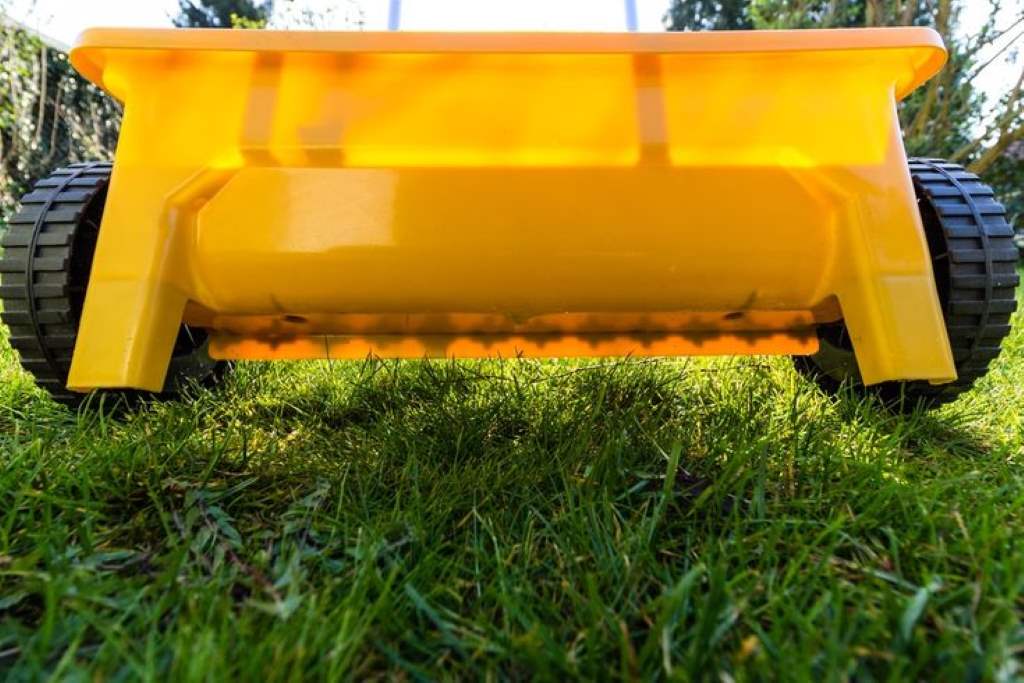
Now, it’s time to spread the seed. Use a broadcast spreader for even distribution, following the seed package’s recommended rate. For larger lawns, divide the area into sections to ensure uniform coverage. Alternatively, for small patches, hand-spreading works well. To boost germination, consider mixing the seed with a starter fertilizer, as suggested by the Purdue University Turfgrass Program.
Step 7: Press Seeds into the Soil
To improve seed-to-soil contact without aeration, gently press the seeds into the ground. You can use a lawn roller or simply walk over the seeded areas. This step ensures the seeds are in contact with the soil, increasing the chances of successful germination.
Step 8: Water Consistently
Watering is critical for seed germination. After seeding, water the lawn lightly but frequently, keeping the soil consistently moist but not waterlogged. Aim for daily watering in the early morning for about 5-10 minutes, depending on your climate. Continue this for 2-3 weeks until the seeds germinate and new grass establishes.
Step 9: Maintain and Monitor
Once the new grass begins to grow, gradually reduce watering frequency but increase the amount per session to encourage deep root growth. Mow the lawn only when the new grass reaches about 3 inches, and avoid heavy foot traffic for at least 6-8 weeks. Regularly monitor for weeds or pests and address them promptly to protect your new grass.
Tips for Success
To maximize your overseeding results, keep these tips in mind:
- Timing is key: Overseed in early fall or spring when soil temperatures are ideal for germination.
- Avoid overwatering: Too much water can wash away seeds or cause fungal issues.
- Use a starter fertilizer: This provides essential nutrients for new grass growth.
- Be patient: New grass may take 2-4 weeks to germinate, depending on the seed type.
By following these tips, you can ensure your lawn becomes thicker and healthier over time.
Common Challenges and Solutions
Overseeding without aeration may present challenges, but they can be managed effectively. For instance, poor seed germination may occur if seeds don’t make adequate soil contact. To counter this, ensure thorough raking and pressing of seeds. Additionally, pests like chafer grubs can damage new grass. Regular lawn maintenance and pest control measures can mitigate these issues. Moreover, if weeds compete with new grass, apply a selective herbicide safe for young grass after germination.
Read Also:
Miami Winter Lawn Care: Keep It Green Year‑Round
Checklist for a perfect spring cleaning
FAQs
Why should I overseed my lawn without aerating?
Overseeding without aerating saves time and money while still improving lawn density, especially for lawns with minimal compaction.
When is the best time to overseed without aerating?
Early fall or spring are ideal, as cooler temperatures and adequate moisture promote seed germination.
Can I overseed without removing thatch?
Removing thatch is recommended, as it can block seeds from reaching the soil, reducing germination rates.
How long does it take for overseeded grass to grow?
Depending on the grass type, germination typically takes 2-4 weeks, with full establishment in 6-8 weeks.
What grass seed is best for overseeding without aeration?
Choose high-quality, certified seeds suited to your climate, such as Kentucky bluegrass for cool regions or Bermuda for warm areas.
Conclusion
Overseeding a lawn without aerating is a practical, cost-effective way to achieve a lush, healthy yard. By carefully assessing your lawn, choosing the right seeds, and following the steps outlined above, you can revitalize your grass without the need for aeration. Consistent watering, proper maintenance, and patience are key to success. Whether you’re addressing thin patches or combating issues like problems with chafer grubs, this method offers a straightforward solution for a vibrant lawn. Start today, and enjoy a greener, denser lawn in just a few weeks.