
Key Takeaways
- Implement a robust cleaning schedule to maintain hygiene.
- Strategically place restrooms to optimize accessibility and cleanliness.
- Utilize eco-friendly cleaning products to promote sustainability.
- Ensure restrooms are well-stocked with necessary supplies.
- Consider guest comfort by providing amenities like handwashing stations.
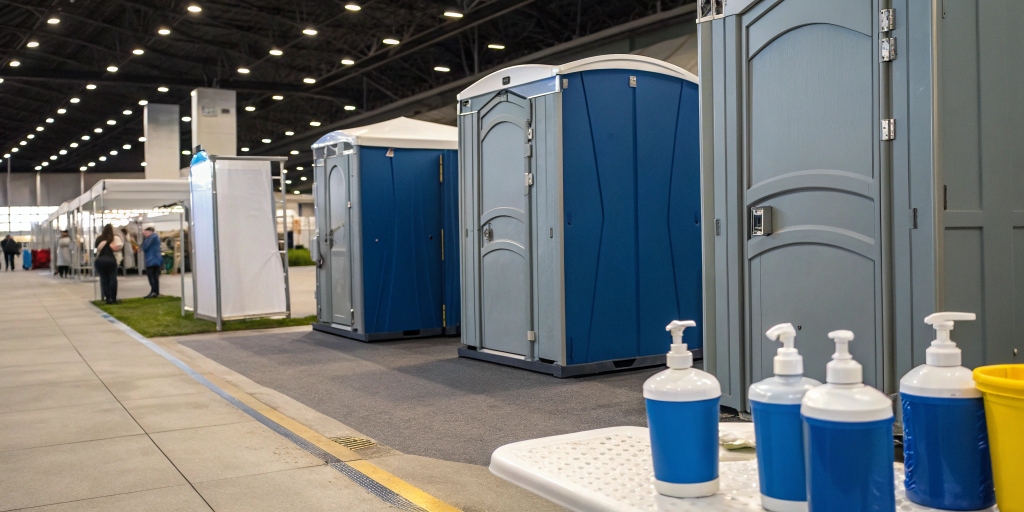
Ensuring the cleanliness and comfort of portable restrooms is essential for every event planner aiming to deliver an exceptional experience to attendees. A hygienic restroom environment helps prevent the spread of illness and significantly contributes to guest satisfaction and comfort. Whether you’re managing a small gathering or a large outdoor festival, prioritizing restroom hygiene demonstrates professionalism and care. For those operating large-scale events or with specific sanitation needs, services like septic pumping Danbury CT, can be vital partners in maintaining superior hygiene standards.
Implementing the right strategies can minimize the risk of unsanitary conditions and enhance your event’s reputation. By establishing standard protocols and addressing potential hygiene challenges in advance, you lay the foundation for successful event management.
Establish a Robust Cleaning Schedule
Few aspects of event planning are as important as a well-structured cleaning routine. Sanitization should begin well before the event and continue with scheduled cleanings throughout the event. For high-traffic events, cleanings every couple of hours are advisable to safeguard guest health and prevent unpleasant odors. Developing a daily or hourly checklist can help staff stay on task and avoid overlooking critical details. As the Centers for Disease Control and Prevention (CDC) suggests, routine cleaning and maintenance are pivotal for maintaining sanitation standards, particularly during peak hours.
Strategic Placement of Restrooms
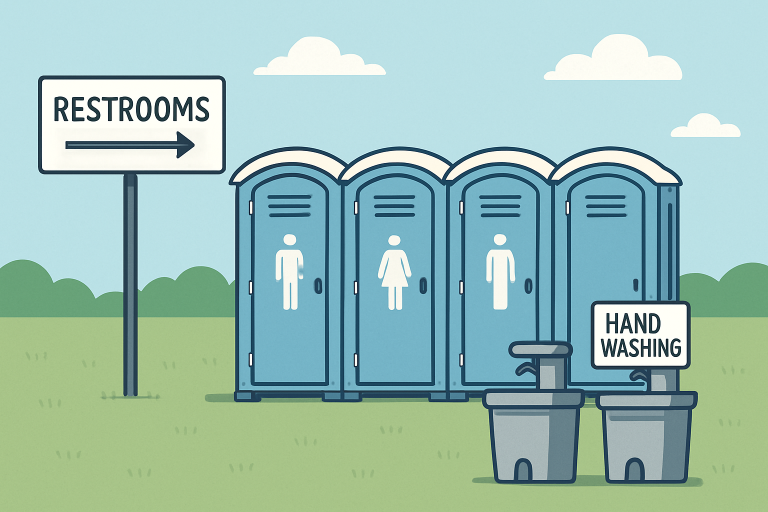
Thoughtful placement of portable restrooms optimizes traffic flow and encourages users to keep facilities clean. Installing restrooms near busy areas such as food courts, entertainment zones, or main stage areas ensures accessibility. However, avoid placing them too close to food service zones or children’s play areas to prevent cross-contamination. Incorporating signage helps direct guests and reduces confusion, while choosing sturdy, well-leveled ground for placement prevents accidents or leaks.
Utilize Eco-Friendly Cleaning Products
Modern event planning often emphasizes environmental sustainability, making the transition to biodegradable, non-toxic cleaning solutions a priority. These products provide excellent sanitization without the risks associated with harsh chemicals. Using green cleaning products helps your event align with broader environmental initiatives and assures attendees that their health is being protected responsibly. The Environmental Protection Agency’s Safer Choice program offers guidance on selecting certified eco-friendly products that do not compromise on cleaning power.
Ensure Adequate Supplies
Restocking essential items is a basic, yet frequently overlooked, step in maintaining portable restroom hygiene. Each unit should have generous reserves of toilet paper, soap, and hand sanitizer. Set up a routine to monitor supplies and refill them as needed. Assigning the responsibility to a dedicated member of your staff ensures this task is never missed, keeping user satisfaction high and minimizing complaints from attendees.
Provide Handwashing Stations
Hand hygiene among guests is a top priority when limiting the spread of germs. Install handwashing stations at convenient locations near restroom areas. Each station should be appropriately stocked with soap, water, and disposable paper towels. When running water is unavailable, ensure hand sanitizer dispensers are readily accessible. Providing clear instructions through signage on proper handwashing can encourage responsible use and further protect public health.
Monitor and Maintain Ventilation
Proper ventilation is necessary to reduce odors and improve comfort inside portable restrooms. Check that vents are unblocked, and, if needed, add battery-operated fans to units expected to see heavy use. Positioning restroom units to catch the natural breeze can also help. Avoid placing restrooms in densely packed or boxed-in areas, as limited air circulation can cause odors to linger.
Educate Staff and Attendees
Proper education ensures everyone plays a role in maintaining cleanliness. Train your team on restroom cleaning protocols, supply monitoring, and procedures for reporting or addressing hygiene issues. Placing visible signs inside and near restrooms that remind attendees to wash their hands thoroughly and avoid flushing inappropriate items adds another layer of protection against unsanitary conditions.
Plan for Emergencies
Be ready for the unexpected by developing an emergency plan for restroom maintenance challenges, such as overflows, unpleasant odors, or vandalism. This should include access to extra cleaning supplies and tools for quick repairs, and clear communication channels so issues can be reported and addressed quickly. Having professional vendors on call for emergency maintenance or replacement is advisable, especially at larger events.
By focusing on hygiene, accessibility, and sustainability, event planners can ensure their portable restrooms provide guests with a safe and comfortable experience. These proactive measures establish your reputation for excellence and contribute significantly to the overall success of any event.