
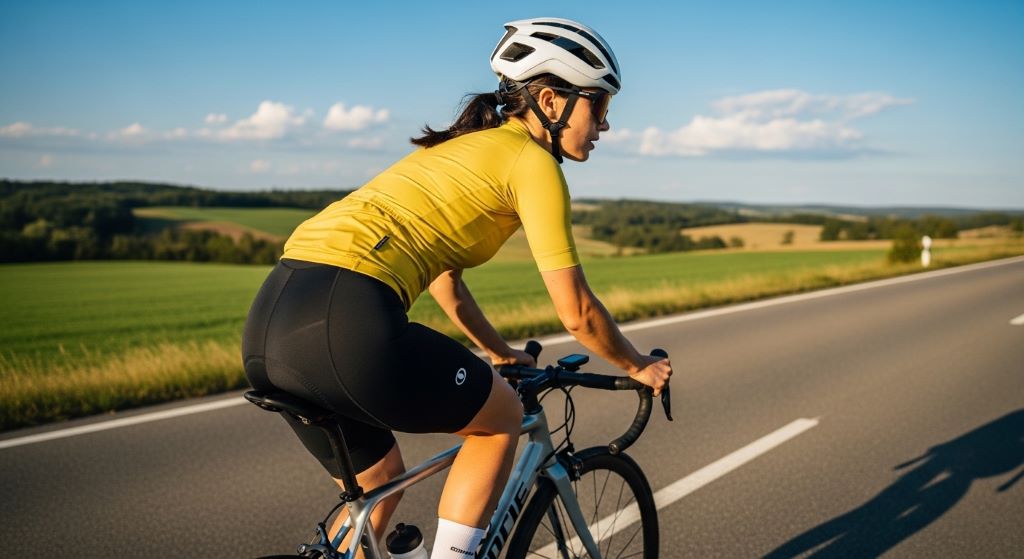
Long-distance cycling is one of the most rewarding forms of exercise. However, it can also be one of the most uncomfortable if you wear the wrong gear. Choosing the right shorts makes a huge difference. It affects your performance, your posture, and how you feel after several hours in the saddle.
Many women underestimate the importance of good cycling shorts. They focus on the bike, the helmet, or the route. Therefore, shorts often become an afterthought. That is a mistake. The right pair of endurance cycling shorts women choose can transform a painful ride into a pleasant one.
This guide will walk you through every factor you need to consider. From padding to fabric, fit to stitching, you will learn exactly what to look for before you buy.
Why the Right Shorts Matter for Long Rides
Cycling places unique demands on your body. When you sit on a saddle for two or more hours, pressure builds up in specific areas. Your inner thighs rub together. Your sit bones press down. Sweat accumulates in the contact zones.
Ordinary shorts cannot handle these conditions. They bunch up, slip, and cause chafing. Over time, skin irritation turns into painful sores. Additionally, poor shorts without proper support can strain your muscles unnecessarily.
Good cycling shorts, however, are designed to counter all of these problems. They stay in place, manage moisture, and cushion impact. Investing in quality long-distance comfort gear is therefore one of the smartest decisions a female cyclist can make.
Understanding the Chamois: The Heart of Every Cycling Short
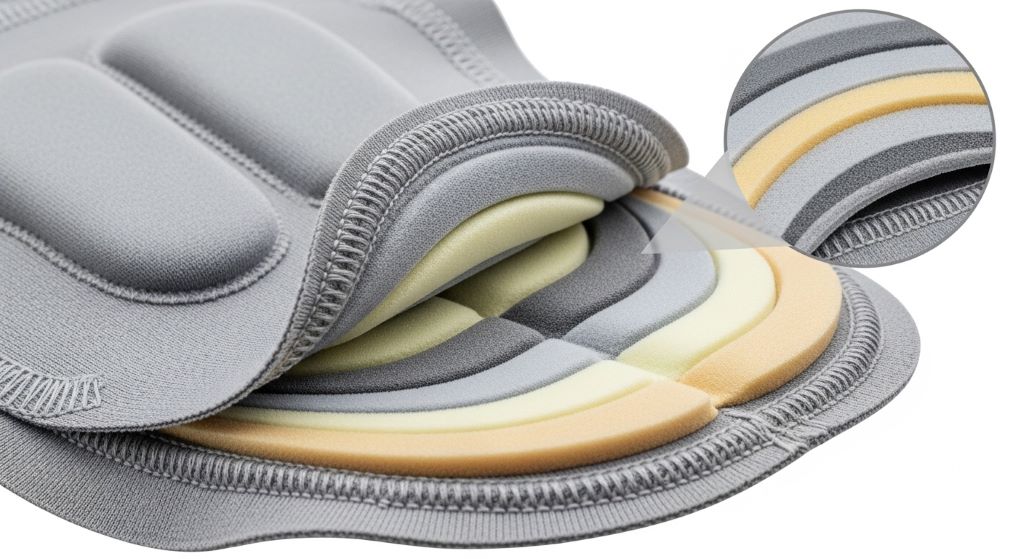
The chamois, also called a pad, is the built-in cushion sewn into the seat area of cycling shorts. It is arguably the most important feature to evaluate. Not all chamois pads are created equal, and a poor one will ruin your ride.
Density and Thickness
Thicker does not always mean better. A very thick pad may feel comfortable at first. However, on longer rides it can create too much bulk and cause friction. For endurance riding, a medium-density pad usually works best. It provides enough cushioning without adding unnecessary bulk.
Shape and Anatomy
Women-specific chamois pads are shaped differently from unisex or men’s versions. They are shorter from front to back and wider side to side. This design matches the female sit bone structure. Therefore, always choose shorts specifically designed for women.
Seamless Construction
The chamois should have as few seams as possible in the contact area. Seams cause rubbing. Many high-quality shorts now feature a single-piece chamois with laser-cut or bonded edges. This reduces friction points significantly.
Fabric and Material: What to Look For
The outer fabric of cycling shorts plays a major role in comfort and performance. You want something that stretches with your body, breathes well, and manages moisture efficiently.
Lycra and Spandex Blends
Most cycling shorts use Lycra, spandex, or a blend of both. These materials stretch in multiple directions. They hug your body without restricting movement. Additionally, they hold their shape even after many washes and rides.
Moisture-Wicking Properties
Look for fabrics that pull sweat away from your skin. This keeps you dry and reduces the risk of chafing. Many modern cycling shorts use technical fabrics with micro-ventilation zones. These allow air to flow where you need it most.
UV Protection
If you ride outdoors, UV protection is worth considering. Some fabrics offer UPF ratings that shield your skin from the sun. This is especially important on summer rides or at higher altitudes.
Fit: The Key to All-Day Comfort
A cycling short can have the best chamois in the world, but if it fits poorly, it will still cause problems. Fit is everything when it comes to riding comfort.
Compression and Muscle Support
Good cycling shorts offer a degree of compression. This supports your muscles during the ride and reduces fatigue. However, the compression should not feel painfully tight. It should feel snug and secure.
Leg Grippers
The leg band at the bottom of each short should stay in place without cutting into your skin. Most quality shorts use silicone grippers on the inside of the leg hem. These keep the shorts from riding up. Therefore, the chamois stays exactly where it should be.
Waistband Comfort
The waistband should sit flat against your skin without digging in. Bib shorts, which include suspender straps, eliminate the waistband entirely. Many experienced cyclists prefer bibs for this reason. They also prevent the shorts from sliding down on climbs.
Bib Shorts vs. Regular Shorts: Which Should You Choose?
This is one of the most common questions among female cyclists. Both options work well, but each has its advantages.
Regular cycling shorts are easier to put on and take off. They are also simpler during nature breaks on long rides. However, they can slip and bunch at the waist, especially during intense efforts.
Bib shorts stay in place perfectly. They distribute pressure more evenly across the torso. Additionally, they often feel more secure during descents or sprints. The downside is that toilet breaks require more effort.
Many brands now offer women’s bib shorts with a drop-seat design or a front zip. This solves the bathroom problem while keeping all the benefits of a bib. For rides over three hours, bibs are generally the better choice.
For shorter rides or casual cycling, regular shorts work perfectly fine.
Shorts Length and Coverage
Cycling shorts come in different lengths. The most common are standard shorts, three-quarter tights, and full-length tights. For warm-weather long rides, standard shorts are the go-to choice.
The length affects two things. First, it determines how much skin is exposed to the saddle and friction zones. Second, it affects how warm or cool you feel. Longer legs provide more muscle compression and warmth. Shorter legs allow more airflow.
For summer endurance rides, shorts that end mid-thigh or just above the knee work well. They offer a good balance between coverage and ventilation.
Checking the Stitching and Seam Placement
You should always check where the seams are located before buying a pair of cycling shorts. Flat-lock stitching lies flat against the skin. It does not create ridges that dig in during movement. This is the standard in quality cycling wear.
Avoid shorts with thick raised seams in the seat area or inner thigh zone. These will cause blisters and abrasions within the first hour. Additionally, check for any stitching that runs directly across the sit-bone contact points.
The fewer seams in high-contact areas, the better. Modern shorts often use strategic seam placement to push all stitch lines away from pressure zones.
Top Features to Look For: A Quick Checklist
When shopping for your next pair of long-distance comfort gear, run through this checklist:
- Women-specific chamois pad with anatomical shaping
- Flat-lock or bonded seams in high-contact areas
- Moisture-wicking and breathable outer fabric
- Silicone leg grippers that do not cut into skin
- A snug but not painful compression level
- Minimal seams in the seat and inner thigh zone
- UPF fabric if riding in sunny conditions
- Bib design or reliable waistband for longer rides
Budget vs. Premium: Is It Worth Spending More?
Cycling shorts range widely in price. Budget options can cost as little as twenty dollars. Premium endurance cycling shorts women rely on can cost over two hundred dollars. So where should you spend?
For occasional short rides, a mid-range pair works fine. However, for rides over two hours, investing in a quality pair genuinely pays off. Better shorts mean less chafing, better support, and fewer distractions during your ride.
Premium shorts also tend to last longer. They hold their shape and elasticity through many wash cycles. Therefore, the cost per ride often works out lower in the long run.
If you are new to long-distance cycling, start with a mid-range pair. Once you know your preferences, you can invest in a high-end option that perfectly matches your needs.
Care and Maintenance Tips
Good cycling shorts require proper care to stay effective. Always wash them in cold water on a gentle cycle. High heat degrades elastic fibers and breaks down the chamois foam over time.
Never use fabric softener. It clogs the moisture-wicking properties of the fabric. Additionally, avoid tumble drying. Hang your shorts to dry instead.
Replace your shorts when the chamois starts to feel flat or when the leg grippers lose their grip. Worn-out shorts lose all their protective qualities, no matter how expensive they were originally.
Conclusion
Choosing the right women’s cycling shorts for long-distance riding is not complicated, but it does require careful thought. The chamois is your most important consideration. Women-specific padding that matches your anatomy will protect your sit bones and reduce irritation dramatically.
Beyond the pad, focus on fabric quality, seam placement, and fit. Look for moisture-wicking materials, flat-lock stitching, and reliable leg grippers. Consider bib shorts if you plan to ride for three or more hours.
Additionally, do not ignore care and maintenance. Even the best shorts will fail prematurely without proper washing and storage.
The right pair of cycling shorts will not just make you more comfortable. They will make you a better, more confident cyclist. Therefore, take your time, use this guide, and make a choice that supports every kilometer ahead of you.
Frequently Asked Questions
1. How thick should the chamois be for long-distance rides?
A medium-density chamois is generally ideal for endurance riding. Very thick pads can create excess bulk and friction. Look for a pad that is specifically designed for multi-hour rides and shaped for female anatomy.
2. Should I wear underwear under cycling shorts?
No. Cycling shorts are designed to be worn without underwear. Wearing underwear creates extra seams and fabric layers that cause chafing and discomfort. The chamois pad works best with direct skin contact.
3. Are bib shorts better than regular shorts for women?
Bib shorts are generally preferred for rides longer than two to three hours. They stay in place better and eliminate waistband pressure. However, regular shorts are easier to manage during rest stops. Many women choose bibs with a drop-seat design for convenience.
4. How often should I replace cycling shorts?
Replace your cycling shorts when the chamois feels flat or loses its cushioning, when the leg grippers no longer hold, or when the fabric loses its stretch. This typically happens after one to two years of regular use, depending on frequency and care.
5. Can I use chamois cream with cycling shorts?
Yes, chamois cream is highly recommended for long rides. Apply it directly to your skin in the contact zone before riding. It reduces friction, prevents chafing, and has antibacterial properties. It works especially well during rides of three or more hours.
Related Topics:
How to Pick the Right Golf Club Set for Kids Who Are Beginners
Wave-Sync Water Entry Rhythm Training