
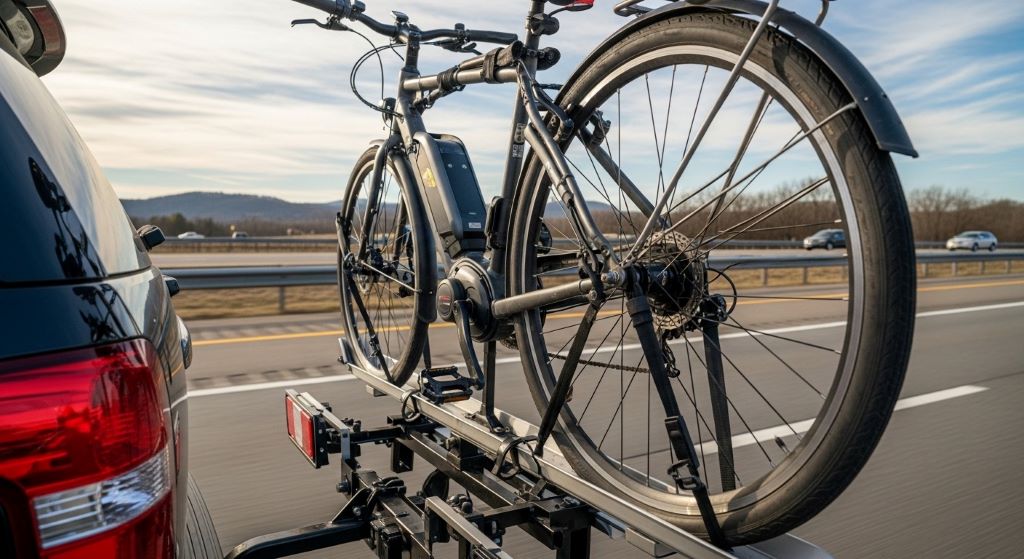
Electric bikes have revolutionized cycling by making longer rides and challenging terrain accessible to more people. However, their increased weight compared to traditional bicycles creates unique challenges when it comes to transportation. Understanding how to safely transport your electric bike using a hitch-mounted carrier ensures your investment stays protected while you travel to new riding destinations.
The average electric bike weighs between 50 and 70 pounds, with some models exceeding 80 pounds. This substantial weight difference from conventional bikes means you cannot simply use any standard bike rack. Choosing the wrong carrier can lead to damaged bikes, vehicle damage, or even dangerous situations on the road.
This comprehensive guide will walk you through everything you need to know about safely transporting electric bikes on hitch racks. You’ll learn about weight capacities, installation procedures, security measures, and best practices that keep your bikes safe during transport. Whether you’re planning a weekend adventure or a cross-country trip, this information will help you make informed decisions about your bike transportation needs.
Understanding Electric Bike Weight Considerations
The first step in safe electric bike transportation involves understanding exactly what you’re dealing with in terms of weight. Electric bikes are significantly heavier than traditional bicycles due to their motors and battery systems. These components add substantial mass that affects how you transport them.
Most standard bike racks are designed for bikes weighing 35 to 40 pounds maximum. Electric bikes easily exceed these limits. Therefore, using a standard rack creates serious safety risks including rack failure, vehicle damage, and potential accidents on the highway.
Furthermore, you need to consider the total weight capacity of your entire setup. If you plan to carry two electric bikes, you’re potentially adding 120 to 160 pounds to your vehicle. This weight requires robust mounting systems and appropriate vehicle capabilities.
Your vehicle’s hitch rating also plays a crucial role. A Class 1 hitch typically supports 200 pounds, while Class 2 handles up to 350 pounds, and Class 3 or higher can manage 500 pounds or more. Check your vehicle’s specifications before selecting a rack to ensure compatibility.
Choosing the Right Hitch Rack for Electric Bikes
Selecting an appropriate hitch rack for ebikes requires careful consideration of several factors beyond simple weight capacity. Not all racks marketed as suitable for electric bikes actually perform well under real-world conditions.
Look for racks specifically designed with reinforced construction. These models feature thicker steel or aluminum arms, stronger mounting points, and enhanced stability systems. The frame and support structures should feel substantial and well-engineered rather than flimsy or lightweight.
Platform-style racks generally work better than hanging racks for electric bikes. Platform designs support the bike’s wheels rather than hanging from the frame, which distributes weight more evenly and reduces stress on the bike itself. Additionally, platform racks typically offer better stability at highway speeds.
Adjustable wheel trays accommodate different tire sizes and wheelbases. Electric bikes come in various configurations, and having adjustable components ensures a secure fit regardless of your specific model. This versatility becomes particularly valuable if you own multiple electric bikes with different specifications.
Tilt-away features provide essential convenience when you need rear vehicle access. Many quality racks allow you to tilt the entire carrier away from the vehicle, even with bikes loaded. This feature saves time and effort compared to unloading bikes every time you need trunk or hatchback access.
Weight Capacity and Load Ratings
Understanding weight ratings prevents dangerous overloading situations. Manufacturers provide several different weight specifications, and knowing what each means helps you make safe choices.
The per-bike weight capacity indicates how much each individual bike position can safely hold. For electric bikes, look for racks with at least 60 pounds per bike capacity, though 70 to 80 pounds provides better safety margins and future-proofing.
Total rack capacity represents the maximum combined weight the entire rack can support. A rack might hold 60 pounds per bike but have a total capacity of only 100 pounds, meaning you couldn’t safely load two heavy electric bikes simultaneously.
Tongue weight refers to the downward force applied to your hitch. This measurement matters because excessive tongue weight affects vehicle handling and can damage your hitch receiver. Calculate the combined weight of the rack plus all bikes to ensure you stay within limits.
Dynamic load differs from static load capacity. A rack might support more weight when stationary than when traveling at highway speeds with wind resistance and road vibrations. Always assume the lower dynamic rating when loading your rack.
Installing Your Hitch Rack Correctly
Proper installation is critical for safe electric bike transportation. Even the highest-quality rack becomes dangerous if installed incorrectly. Taking time to install everything properly prevents accidents and protects your investment.
Start by thoroughly cleaning your hitch receiver. Remove any dirt, debris, or rust that could prevent a tight fit. A clean connection ensures the rack sits properly and reduces movement during travel.
Insert the rack’s mounting shaft fully into the hitch receiver until it stops. Some people don’t push the shaft in completely, leaving gaps that create instability. Make sure you achieve a solid, complete connection before securing anything.
Thread the hitch pin or lock through the receiver and rack shaft. Tighten it completely using appropriate tools. Hand-tightening isn’t sufficient for the loads you’ll be carrying. Use a wrench to ensure the pin is fully secured.
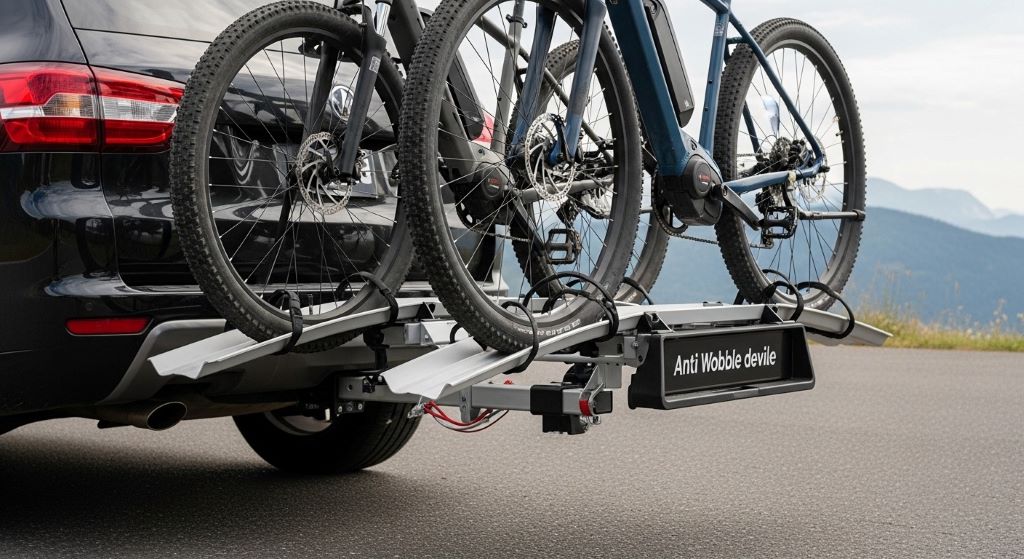
Check for any wobble or movement once installed. A small amount of play is normal due to manufacturing tolerances, but excessive movement indicates a problem. Anti-wobble devices can eliminate minor movement and create a more stable platform.
Verify that the rack sits level when viewed from the side and rear. An unlevel rack suggests installation problems or compatibility issues between your hitch and the rack. Address levelness concerns before loading bikes.
Loading Electric Bikes Safely
The loading process requires careful attention to detail. Electric bikes’ weight and value mean you cannot afford careless handling during the loading procedure.
Position your vehicle on level ground before attempting to load bikes. Loading on an incline makes the process more difficult and increases the risk of dropping expensive equipment. A level surface provides stability and better control.
Have a helper assist with loading if possible. While many people can lift 60 to 70 pounds alone, having assistance makes the process safer and easier. Your helper can stabilize the bike while you secure it to the rack.
Lift the bike onto the rack using proper lifting technique. Bend your knees, keep your back straight, and lift with your legs rather than your back. Consider removing the battery before lifting to reduce weight and prevent damage to this expensive component.
Place the bike’s wheels into the wheel trays carefully. Ensure proper alignment before releasing your hold on the bike. Misaligned wheels can cause the bike to tip or fall during the securing process.
Secure all straps and retention systems immediately after positioning each bike. Don’t load multiple bikes before securing them. Each bike should be fully secured before moving on to the next one.
Securing Your Electric Bikes
Once loaded, proper securing prevents damage during transport. Electric bikes represent significant investments, and taking time to secure them correctly protects against scratches, dings, and more serious damage.
Use all provided wheel straps or retention arms. These components are included for a reason, and skipping any of them reduces security. Ratchet-style straps typically provide better tension than simple buckle straps.
Tighten wheel straps firmly but not excessively. Over-tightening can damage wheels or the rack itself, while insufficient tension allows movement. The bike should feel solidly locked in place without seeing any deformation of tires or components.
Secure the bike frame using any frame holders or additional straps provided with your rack. Frame contact points should have protective padding to prevent scratches or paint damage. Position padding carefully before cinching down frame straps.
Check that handlebars don’t interfere with each other when carrying multiple bikes. Turn handlebars as needed to prevent contact. Handlebar-to-handlebar contact during travel can cause scratches and damage to brake levers, shifters, and grips.
Consider using additional tie-downs for extra security on long trips. While the rack’s built-in systems should be sufficient, cam straps connecting the bike frame to the rack provide additional peace of mind during extended highway travel.
Battery Removal and Electrical Component Protection
Electric bike batteries are expensive, sensitive components that deserve special attention during transportation. Proper battery handling prevents damage and extends battery life.
Remove the battery before transport whenever possible. This step reduces weight during loading, protects the battery from potential damage, and eliminates theft concerns during stops. Most electric bike batteries detach easily with a key or quick-release mechanism.
Store removed batteries inside your vehicle rather than leaving them on the bike. Temperature extremes can damage battery cells, and interior storage protects against both heat and cold. Secure the battery so it doesn’t slide around during travel.
Cover the battery connection points on the bike with protective caps if available. This prevents dirt, moisture, and road debris from contaminating the electrical contacts. Clean connections ensure reliable performance when you reassemble everything.
Protect the display screen and control panels from road debris. Consider removing detachable displays or covering them with protective material. Replacement screens can be expensive and are vulnerable to damage from flying rocks and debris.
Disconnect or secure any loose cables. Cables flapping in the wind can fray or break. Use zip ties or cable management clips to keep everything tidy and protected during transport.
Road Safety and Driving Considerations
Transporting electric bikes changes your vehicle’s handling characteristics. Adjusting your driving style accounts for the additional weight and altered dimensions.
The added weight at the rear of your vehicle affects braking distance. Allow extra following distance and begin braking earlier than normal. Your vehicle will take longer to stop with the additional weight and changed weight distribution.
Acceleration feels different with loaded bikes on the back. The extra weight reduces your vehicle’s ability to accelerate quickly. Plan merges and passing maneuvers accordingly, allowing more time and distance.
Reduced fuel economy is normal when transporting bikes. The additional weight and increased wind resistance both decrease efficiency. Budget for more frequent fuel stops on long trips and adjust your expectations accordingly.
Check your mirrors more frequently to monitor the bikes. Ensure nothing has shifted or loosened during travel. If you notice any concerning movement, pull over safely and investigate immediately.
Wind affects stability, particularly with larger electric bikes. Crosswinds can push against the bikes and affect vehicle handling. Reduce speed in windy conditions and maintain a firm grip on the steering wheel.
Maintaining Visibility and Legal Compliance
Hitch racks extend behind your vehicle and can obstruct lights and license plates. Addressing these visibility issues keeps you legal and safe on the road.
Many jurisdictions require visible license plates at all times. If your rack blocks your plate, relocate it or add a secondary plate mount on the rack itself. Check local regulations to understand specific requirements in your area.
Brake lights and turn signals must remain visible to following traffic. If bikes block your lights, install auxiliary lighting on the rack. Many racks include integrated light boards, or you can add aftermarket lighting systems.
Test all lights before departing. Have someone watch while you activate brake lights, turn signals, and running lights. Verify that everything functions correctly and remains visible with bikes loaded.
Reflectors enhance visibility at night and during low-light conditions. Position reflectors on the rack and bikes to make your vehicle more visible to other drivers. Red reflectors facing backward are particularly important.
Consider adding a flag or other high-visibility marker if your bikes extend significantly beyond your vehicle. This helps other drivers gauge your vehicle’s actual length and maintain appropriate following distance.
Regular Maintenance and Inspection
Hitch racks require regular maintenance to ensure continued safe operation, especially when carrying heavy loads like electric bikes. Developing good maintenance habits prevents failures and extends rack life.
Inspect all bolts, pins, and fasteners before each use. Vibration from road travel can loosen connections over time. Tighten any loose components and replace any damaged or worn parts immediately.
Examine straps and soft goods for wear. Ratchet straps, padding, and rubber components deteriorate with exposure to sun, weather, and repeated use. Replace worn items before they fail during use.
Lubricate moving parts periodically. Pivot points, folding mechanisms, and adjustment points benefit from occasional lubrication. Use appropriate lubricants that won’t attract excessive dirt and grime.
Check for rust, corrosion, or structural damage. Even powder-coated or aluminum racks can develop problems over time. Address any corrosion early before it weakens structural components.
Store your rack properly when not in use. Remove it from your vehicle if you won’t be using it for extended periods. Indoor storage protects against weather damage and extends the rack’s service life.
Additional Accessories and Upgrades
Several accessories enhance the safety and convenience of transporting electric bikes on hitch racks. These additions protect your investment and improve the overall experience.
Locking systems prevent theft during stops. Cable locks secure bikes to the rack, while hitch locks prevent rack removal. Invest in quality locks that resist cutting and picking attempts.
Wheel chocks or blocks provide additional stability for bikes with unusual geometries. These simple additions prevent wheels from shifting in the trays during transport.
Protective padding guards against scratches and damage where bikes contact the rack. Adhesive foam padding or hook-and-loop wrapped padding protects paint and finishes.
Frame adapters allow secure mounting of bikes with unusual frame designs. Step-through frames, full-suspension designs, and other non-traditional geometries sometimes need adapters for secure mounting.
Cargo carriers or platforms attach to some rack systems, providing additional storage for helmets, tools, or other gear. These additions keep everything organized and easily accessible.
Planning for Different Trip Types
Different journeys require different approaches to bike transportation. Adapting your preparation to match your trip type ensures safe, worry-free travel.
Short local trips require basic security and safety checks. Verify all connections are tight and bikes are properly secured. These quick trips typically don’t demand the extensive preparation needed for longer journeys.
Highway travel demands more thorough preparation. Complete a comprehensive pre-trip inspection, checking everything multiple times. Plan for higher speeds and longer durations when securing bikes and inspecting equipment.
Off-road or rough road travel increases stress on all components. Consider additional straps and security measures when traveling on unpaved roads. Check bikes more frequently during stops to ensure nothing has loosened.
Extended multi-day trips benefit from mid-trip inspections. Stop periodically to verify all connections remain tight and bikes haven’t shifted. Address any concerns immediately rather than waiting until you reach your destination.
Troubleshooting Common Issues
Understanding how to address common problems prevents minor issues from becoming major headaches during your trip. Being prepared helps you handle situations calmly and effectively.
If your rack wobbles excessively, first check that all mounting hardware is properly tightened. Anti-wobble devices or hitch tighteners can eliminate play between the rack and receiver.
Bikes shifting during transport usually indicates insufficient strap tension or improper positioning. Pull over safely, reposition the bikes, and increase strap tension. Verify that wheels sit properly in the trays.
Scratches or paint damage often result from insufficient padding at contact points. Add more protective material anywhere the rack touches your bikes. Prevention is easier than repairing damaged finishes.
Difficulty accessing your vehicle with bikes loaded suggests you need a rack with better tilt-away function. Some racks tilt more effectively than others. This feature is worth prioritizing when selecting a rack.
Conclusion
Transporting electric bikes safely with a hitch rack requires careful attention to weight capacities, proper installation, and secure loading procedures. Understanding that heavy duty racks specifically designed for ebikes provide the necessary strength and stability ensures your bikes arrive safely at your destination. Following this ebike rack guide helps you avoid common mistakes and protects your valuable equipment.
Remember that electric bikes’ increased weight demands racks built to higher standards than those designed for traditional bicycles. Platform-style hitch racks for ebikes offer the best combination of stability, ease of loading, and secure transport. Taking time to properly install your rack, carefully load and secure your bikes, and adjust your driving style prevents damage and accidents.
Regular maintenance and inspection of your rack, combined with proper battery handling and electrical component protection, extends the life of both your bikes and your transportation equipment. Whether you’re heading out for a weekend adventure or embarking on an extended trip, following these guidelines ensures your electric bikes arrive ready to ride. Invest in quality equipment, follow proper procedures, and enjoy the freedom of exploring new riding destinations with confidence.
Frequently Asked Questions
Can I use a regular bike rack for my electric bike?
Most standard bike racks are not designed to safely carry electric bikes. Traditional racks typically support 35 to 40 pounds per bike, while electric bikes weigh 50 to 80 pounds or more. Using an undersized rack risks rack failure, damage to your bike and vehicle, and potential safety hazards. Always choose a rack specifically rated for electric bike weights to ensure safe transportation.
How do I know if my vehicle’s hitch can support an electric bike rack?
Check your vehicle’s owner manual or the hitch manufacturer’s specifications for the hitch class and weight rating. Class 2 hitches support up to 350 pounds, while Class 3 or higher handles 500 pounds or more. Calculate the combined weight of your rack plus all loaded bikes. If this total approaches or exceeds your hitch’s capacity, you need a higher-rated hitch before safely transporting electric bikes.
Should I remove the battery before transporting my electric bike?
Removing the battery before transport is highly recommended. This reduces weight during loading, protects the expensive battery from potential damage, prevents theft, and shields the battery from temperature extremes. Store the battery inside your vehicle where it’s secure and climate-controlled. Most electric bike batteries detach easily, making this a simple step that provides significant benefits.
What’s the difference between platform and hanging style racks for electric bikes?
Platform racks support bikes by their wheels, distributing weight evenly and reducing stress on the bike frame. They offer better stability, easier loading, and accommodate various frame styles. Hanging racks suspend bikes from the top tube, which can stress electric bike frames due to their weight and may not work with step-through or unusual frame designs. Platform racks are strongly preferred for electric bike transportation.
How often should I inspect my hitch rack when carrying electric bikes?
Perform a thorough inspection before every trip, checking all mounting hardware, straps, and connections. During extended trips, inspect your rack and bikes at every stop or every two to three hours of driving. Look for loose straps, shifted bikes, or any signs of wear or damage. Regular checks prevent small problems from becoming serious issues and ensure your bikes remain secure throughout your journey.
Related Topics:
Philadelphia Bike Types for Teen: E‑bikes, Gravel, MTB