
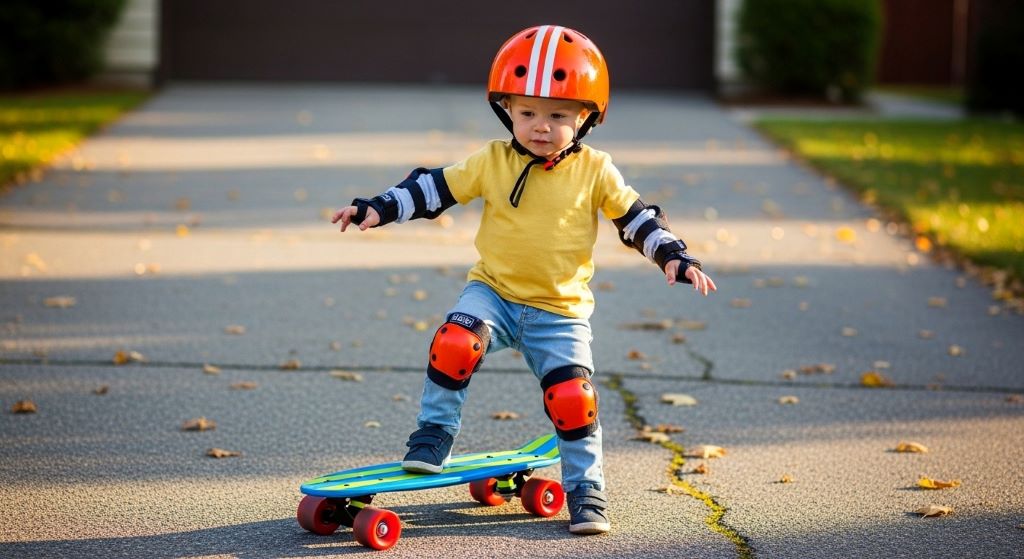
Choosing the perfect skateboard for your little one can feel overwhelming. With so many options available, parents often wonder where to start. This guide will help you navigate the process and find the ideal board for your toddler.
Understanding Toddler Development and Skateboarding
Young children between three and four years old are at a crucial stage of physical development. Their balance, coordination, and spatial awareness are rapidly improving. However, they still need equipment designed specifically for their abilities and size.
Traditional skateboards are too large and unstable for this age group. Therefore, specialized boards have been created to match their developmental needs. These boards feature wider decks, enhanced stability, and safety features that make learning enjoyable rather than frightening.
Key Features to Look for in Toddler Skateboards
Deck Width and Size
The deck is the platform where your child stands. For toddlers, wider decks provide better stability and confidence. Look for boards measuring between 7 and 9 inches in width. The length should typically range from 22 to 28 inches, allowing little feet to find comfortable positioning.
A wider surface area means your child can stand with both feet planted firmly. This reduces the likelihood of falls and helps them develop proper balance techniques from the beginning.
Wheel Configuration
Wheels play a vital role in how smoothly a board rides. For young beginners, larger and softer wheels work best. They roll more easily over small cracks and bumps in pavement, preventing sudden stops that could throw your child off balance.
Additionally, some boards designed for toddlers feature three or four wheels instead of the traditional four-wheel setup. Three-wheeled designs often provide extra stability, making them excellent choices for first-time riders.
Weight Capacity and Construction
Even though your toddler is small, the board needs sturdy construction. Check the manufacturer’s weight recommendations to ensure the skateboard for 3 year olds can safely support your child. Most quality boards can handle 50 to 75 pounds, which provides room for growth.
Materials matter significantly. Plastic decks are lightweight and durable, making them popular for this age group. However, some parents prefer wooden decks for their traditional feel and eco-friendly properties.
Safety Considerations
Protective Gear is Essential
Before your child steps on any board, proper safety equipment is non-negotiable. A well-fitted helmet specifically designed for skateboarding protects the most important part of their body. The helmet should sit level on the head, covering the forehead, with straps forming a V-shape under the ears.
Knee pads, elbow pads, and wrist guards provide additional protection. Young children fall frequently while learning, and these items can prevent scrapes, bruises, and more serious injuries.
Surface Selection
Where your toddler practices makes a tremendous difference in their safety and success. Smooth, flat surfaces like empty parking lots, driveways, or playground areas work wonderfully. Avoid areas with heavy traffic, steep slopes, or rough terrain until your child has developed solid skills.
Supervision is equally important. Never leave a young child unattended while skateboarding, regardless of their skill level or the safety of the location.
Types of Boards Suitable for Young Children
Kick Scooters vs. Skateboards
Some parents wonder whether kick scooters might be better starting points than traditional skateboards. Scooters offer handlebars for support, which can boost confidence initially. However, they teach different balance skills.
True toddler skateboards help children develop core strength and balance in ways that benefit other physical activities. The choice depends on your child’s interests and comfort level.
Three-Wheel Skateboards
These innovative designs place two wheels in front and one in back, or vice versa. The configuration creates a tripod effect that’s naturally more stable than traditional four-wheel boards. Many children find success with these designs before transitioning to standard skateboards.
The lean-to-steer mechanism on many three-wheelers also helps toddlers understand how shifting weight controls direction. This intuitive learning method feels natural to young children.
Standard Mini Skateboards
Miniature versions of traditional skateboards are available in toddler sizes. These boards maintain the classic skateboard shape and four-wheel design but scaled down appropriately. They work well for children who show particular interest in skateboarding and want the authentic experience.
However, these require more balance and coordination than other options. Consider your child’s physical abilities and confidence level before choosing this style.
Brand Quality and Price Considerations
Investing in Quality
While budget-friendly options exist, investing in a reputable skateboard for 3 year olds pays dividends in safety and durability. Cheaper boards may have wheels that don’t roll smoothly, decks that crack easily, or trucks that loosen quickly.
Quality manufacturers test their products rigorously and use better materials. This investment often means the board lasts through multiple children or can be resold when your toddler outgrows it.
Reading Reviews and Recommendations
Other parents’ experiences provide valuable insights. Online reviews often highlight issues that product descriptions don’t mention, such as difficult assembly, parts that wear quickly, or design flaws that become apparent with use.
Furthermore, consulting with staff at specialty skate shops can be incredibly helpful. These professionals understand the nuances of different boards and can recommend options based on your specific needs.
Teaching Your Toddler to Ride
Starting with the Basics
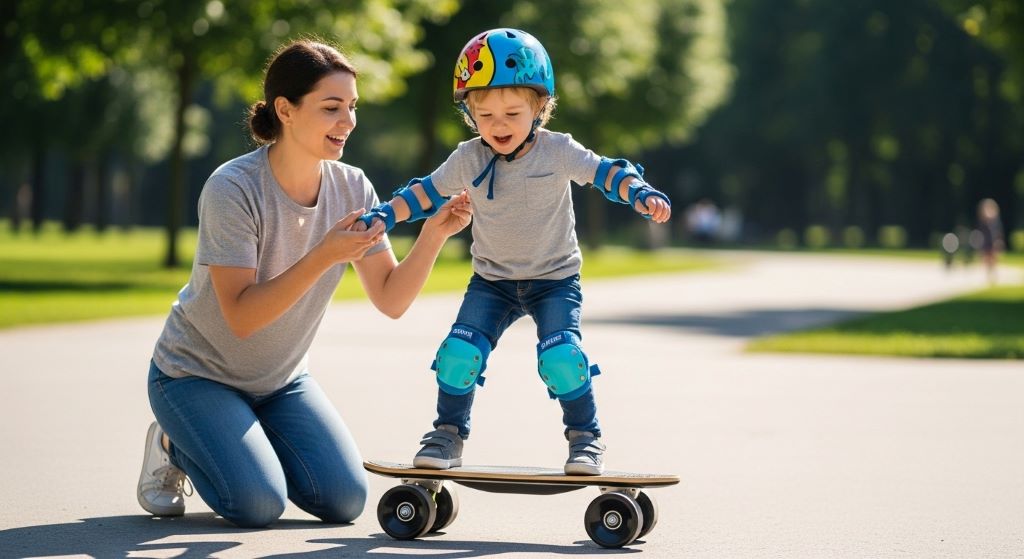
Begin by letting your child simply stand on the stationary board. This helps them get comfortable with the feel of it beneath their feet. Practice having them step on and off repeatedly until it becomes second nature.
Next, hold their hands while they stand on the board and gently rock it side to side. This introduces the sensation of movement and balance adjustment in a controlled way.
Gradual Progression
Once your toddler is comfortable standing, try very gentle pushing while holding their hands. Move at a snail’s pace initially. Speed can be increased gradually as their confidence grows.
Encourage them to look ahead rather than down at their feet. This natural head position helps with balance and prevents the hunched posture that makes balancing harder.
Making it Fun
Keep sessions short and playful. Toddlers have limited attention spans, and forcing practice when they’re not interested creates negative associations. Instead, make skateboarding a game or special activity they look forward to.
Celebrate small victories enthusiastically. Successfully standing for five seconds deserves the same excitement as riding across the driveway. Positive reinforcement encourages continued effort and builds confidence.
Maintenance and Longevity
Regular Inspections
Check the board before each use for loose parts, cracks, or worn wheels. Trucks should be tight but not so stiff that the board won’t turn. Wheels should spin freely without wobbling.
Additionally, keep the board clean and dry. Moisture can damage wooden decks and cause bearings to rust. Store the board indoors when not in use to extend its lifespan.
Knowing When to Upgrade
As your child grows and their skills improve, they’ll eventually outgrow their first board. Signs include their feet hanging significantly over the edges, difficulty controlling the board due to their increased weight, or simply wanting a more advanced model.
Many children are ready for a larger board by age five or six. However, this timeline varies based on individual development and interest level.
Environmental and Storage Considerations
Weather Impacts
Extreme temperatures affect skateboard materials. Hot conditions can warp plastic decks, while freezing temperatures make materials brittle and more prone to cracking. Store boards in temperature-controlled environments when possible.
Rain and wet conditions make skateboarding dangerous and damage the board. Never allow your toddler to ride on wet surfaces, as the risk of slipping increases dramatically.
Proper Storage Solutions
Wall-mounted racks keep boards off the floor and prevent accidental damage. However, ensure any storage solution is out of reach when you’re not actively supervising. This prevents unauthorized practice sessions that could result in injury.
Some families designate a specific outdoor toy box for the skateboard and protective gear. Keeping everything together makes it easier to ensure nothing gets forgotten before practice sessions.
Building Confidence and Skills Over Time
Patience is Crucial
Every child develops at their own pace. Some toddlers take to skateboarding immediately, while others need weeks or months to feel comfortable. Comparing your child to others creates unnecessary pressure and can diminish their enjoyment.
Instead, focus on their individual progress. Notice improvements, no matter how small, and acknowledge their bravery in trying something challenging.
Creating Positive Experiences
Associate skateboarding with fun family time rather than rigorous training. Take the board to parks, let siblings or friends join in, and keep the atmosphere light and encouraging.
Moreover, respect your child’s signals. If they’re frustrated, scared, or simply uninterested on a particular day, put the board away without fussing. Forcing the activity creates negative associations that can last for years.
Conclusion
Selecting the right skateboard for toddlers requires careful consideration of safety, size, and quality. The best toddler skateboards feature wider decks for stability, appropriate wheel configurations for smooth riding, and durable construction that withstands the learning process. Safety gear is absolutely essential, and supervision should never be compromised.
Focus on boards specifically designed for young children rather than simply choosing the smallest traditional skateboard available. Consider your child’s individual development, interests, and comfort level when making your selection. Remember that patience, encouragement, and fun should drive the learning experience.
With the right equipment and approach, skateboarding can become an enjoyable activity that builds confidence, coordination, and physical skills that benefit your toddler for years to come.
Frequently Asked Questions
What age is appropriate to start skateboarding?
Most experts recommend starting around age three for specially designed toddler boards. However, readiness depends more on individual development than age alone. Look for signs that your child can balance on one foot, follow simple instructions, and shows interest in the activity.
How long should practice sessions last for toddlers?
Keep sessions between 10 and 20 minutes for this age group. Toddlers tire quickly and lose focus, making longer sessions counterproductive. Multiple short sessions throughout the week work better than one long practice.
Can toddlers use regular skateboards if they’re supervised?
Regular skateboards are not recommended even with supervision. They’re designed for older children and adults, with dimensions and stability features inappropriate for toddlers. The increased difficulty and danger can create fear and negative experiences.
What’s the difference between cheap and expensive toddler skateboards?
Price differences usually reflect material quality, safety testing, and durability. Expensive boards typically feature better bearings for smoother rides, stronger deck materials, and more reliable construction. However, mid-range options from reputable brands often provide excellent value.
Should I choose a three-wheel or four-wheel board for my toddler?
Three-wheel designs generally offer more stability for complete beginners and younger toddlers. Four-wheel boards provide a more traditional skateboarding experience and may be better for older or more coordinated children in this age range. Consider your child’s balance abilities and confidence level.
Related Topics:
Safe Roller Skating for Kids: BOSONER Knee and Elbow Pads Guide
22 Inch Retro Skateboard Showdown: Meketec Mini Cruiser vs. Top Vintage Alternatives