

Key Takeaways
- Skilled artisans have been central to the construction of sacred spaces across various cultures and eras.
- Traditional methods and materials contribute to the longevity and spiritual significance of these structures.
- Modern challenges threaten the preservation of traditional craftsmanship in sacred construction.
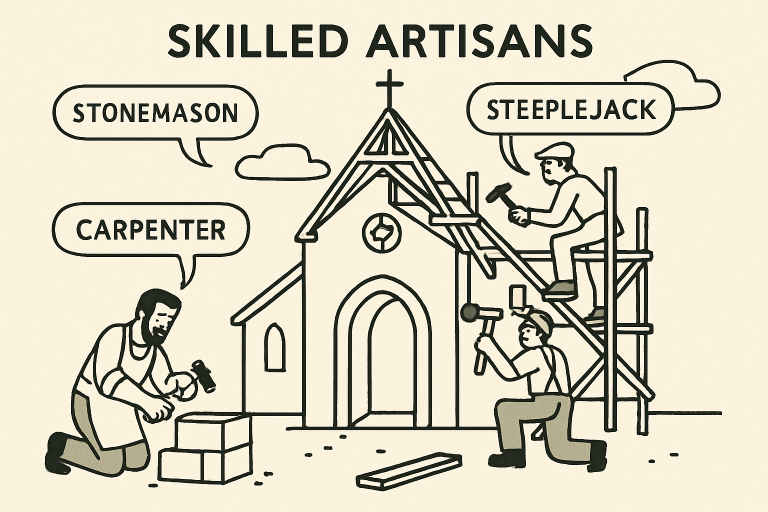
Throughout history, humanity’s most revered spaces (temples, shrines, cathedrals, and mosques) have stood as enduring testaments to both faith and skilled workmanship. Master builders, stone masons, woodcarvers, and steeplejacks have elevated sacred construction into an art form, ensuring these projects inspire awe and stand the test of centuries. The intricate attention required for work such as steeple installation reveals how each trade contributes to the creation and preservation of sacred structures.
In every era, those tasked with constructing places of worship have drawn upon a deep well of expertise, technical skill, and, often, a profound sense of devotion. Sacred spaces are as much about skilled hands as they are about enduring spiritual purpose; every detail, from the placement of a cornerstone to the carving of a finial, matters immensely not just for stability, but for meaning.
Craftspeople entrusted with these projects inherit traditions, secret methods, and stories that connect the present moment to generations past. Now, as modern barriers threaten these ancient arts, understanding and supporting the value of craftsmanship in sacred construction has never been more critical.
Across continents, sacred architecture reflects a convergence of artistic vision and practical mastery. These enduring sites rely not just on initial construction but on continuous effort from maintenance crews scaling dizzying heights to careful restorers who preserve original works. The dialogue between the past and the present is kept alive through the transmission of skills and the reverence for tradition.
Historical Significance of Craftsmanship in Sacred Architecture
Throughout the ancient world, sacred structures were built to endure, employing the leading artisans of their age. From the Parthenon’s marble columns, which have survived for millennia in Athens, to the awe-inspiring cathedrals dotting the European landscape, craftsmanship was exalted as divinely inspired. Ancient texts, including religious scriptures, often describe master builders not only as technicians but also as conduits of spiritual will. For example, figures such as Bezalel in the Bible were credited with exceptional wisdom and understanding and deemed worthy to direct the construction of the Tabernacle (Exodus 31). This tradition of recognizing and venerating craftsmanship continues to inform spiritual architecture worldwide.
Traditional Methods and Materials
Traditional construction methods often reflect centuries of localized adaptation and innovation. In Japan, for instance, temple architecture remains distinct for its “miya-daiku” carpenters, specialists whose techniques are passed down through generations to preserve both material durability and spiritual harmony. They employ intricate joinery with minimal nails or metal, drawing from the natural properties of locally sourced woods. In the West, Gothic cathedrals depended on master masons whose stone-laying skills gave rise to architecture defined by height and light. Across cultures, these methods fostered an atmosphere of sanctity and permanence, ensuring that structures serve as both physical and spiritual refuges for their communities.
Spiritual Dimensions of Craftsmanship
For many artisans, sacred construction is not simply a job but a calling. In traditions around the globe, the act of building is performed as a form of worship and an offering to the divine, marked by care, mindfulness, and intention. Every polished surface and every precisely cut joint are seen as both technical and spiritual acts, infusing the structure with deeper meaning. This philosophy is mirrored in the Baha’i faith, Islamic architecture, and Christian monastic communities alike: the builder becomes an integral part of the sacred narrative, contributing not only hands but also heart. Recognizing this element of devotion elevates the importance of maintaining the integrity of these crafts.
Challenges in Preserving Traditional Craftsmanship
Today, the future of traditional craftsmanship is uncertain. Advanced technology, shifting educational priorities, and economic pressures often diminish opportunities for hands-on training. In Europe and other regions, the lack of formal apprenticeship and certification programs has led to a shortage of new artisans entering the field. Additionally, the immense restoration needs of historic religious buildings far outstrip available resources, with many sacred sites at risk of irreversible decline. Initiatives from groups like Future for Religious Heritage urge the development of preservation programs, funding, and awareness campaigns to safeguard these irreplaceable skills and traditions.
Modern Efforts to Revitalize Craftsmanship
Hope is on the horizon, as educational institutions and faith communities launch programs that link technical instruction with spiritual formation. Dedicated trade schools, especially those with religious affiliations, teach both the practical and the philosophical aspects of sacred construction. Students learn stonemasonry, woodwork, and restoration alongside lessons on ethics, stewardship, and tradition, ensuring they leave as both skilled workers and custodians of a deep legacy. These initiatives prove that craftsmanship in sacred projects remains robust where both skills and spirituality are valued together. Coverage by National Geographic examines how these trades help preserve cultural legacies worldwide.
The Role of Steeplejacks in Sacred Construction
Among the specialized trades that support sacred construction, steeplejacks occupy a unique niche. Responsible for inspecting, repairing, and restoring the highest points of religious buildings (steeples, domes, and towers), these experts ensure architectural integrity while preventing accidents or deterioration. Their work requires a rare blend of agility, courage, and craftsmanship. Without steeplejacks, many iconic silhouettes would crumble or vanish from skylines, depriving communities of their most visible spiritual symbols. The contributions of this profession underscore the collaborative nature of sacred space maintenance and the continued relevance of hands-on skill in a digital age.
Conclusion
Skilled craftsmanship remains the lifeblood of sacred construction, intertwining artistry, devotion, and technical mastery. As modern society races forward, the value of these crafts, reflective of centuries of accumulated wisdom and spiritual intention, cannot be overstated. By nurturing new generations of artisans and supporting preservation initiatives, we ensure that these remarkable spaces endure as sources of both faith and beauty for centuries to come.