
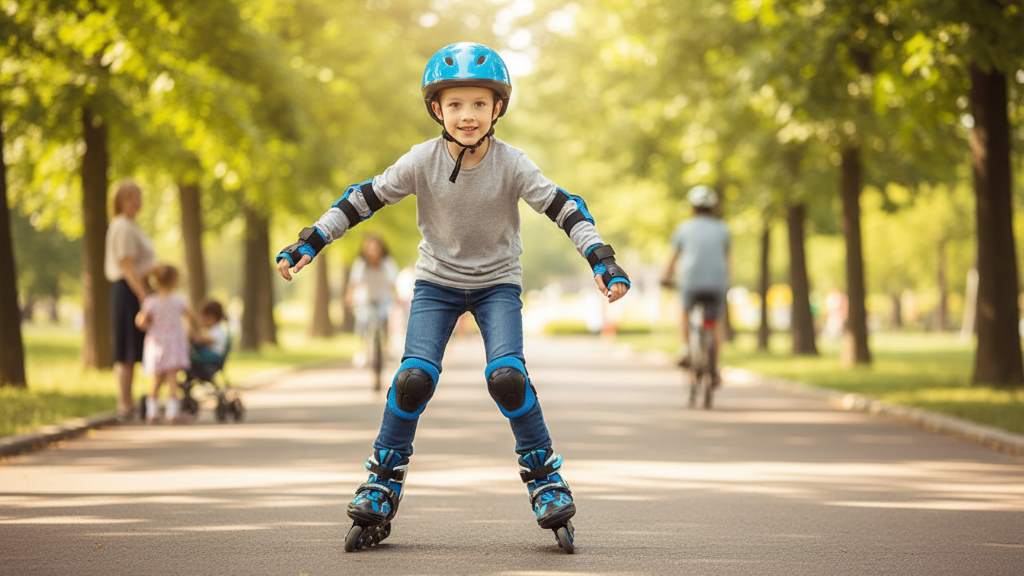
Roller skating brings joy to countless children. They glide around rinks or parks with big smiles. However, falls happen often, especially for beginners. Parents worry about scrapes, bruises, or worse. That’s where quality protective gear steps in. Options like lightweight sports pads make a real difference. These pads shield vulnerable spots without weighing kids down.
Studies highlight the risks. For instance, research from the American Academy of Pediatrics shows that upper extremity injuries, like wrist fractures, dominate roller skating accidents in children. Additionally, a review in Pediatrics notes that many skating-related head and limb injuries occur among young skaters. Yet, proper gear changes the game. Impact-resistant kids pads absorb shocks effectively. They turn potentially serious tumbles into minor bumps.
This guide dives deep into safe roller skating. Parents gain practical tips to keep kids protected and confident.
Why Protective Gear Matters for Young Skaters
Children love the freedom of roller skating. Speed and spins excite them. But bodies develop balance slowly. Falls come unexpectedly.
Experts agree on the need for protection. The Consumer Product Safety Commission reports thousands of skating-related emergency visits yearly among kids. Many involve arms, legs, and wrists. However, wearing pads reduces severe outcomes dramatically.
Impact-resistant kids pads play a key role. They feature thick foam that disperses force. Consequently, bones and joints stay safer. Moreover, lightweight designs encourage consistent use. Kids forget they’re wearing them.
Parents often share stories. One child falls repeatedly while learning. Pads prevent tears and trips to the doctor. Confidence grows instead.
Essential Protective Gear Every Child Needs
Full protection covers major areas. Start with these basics.
Helmets top the list. They guard against head impacts. Choose multi-sport models certified by CPSC or ASTM.
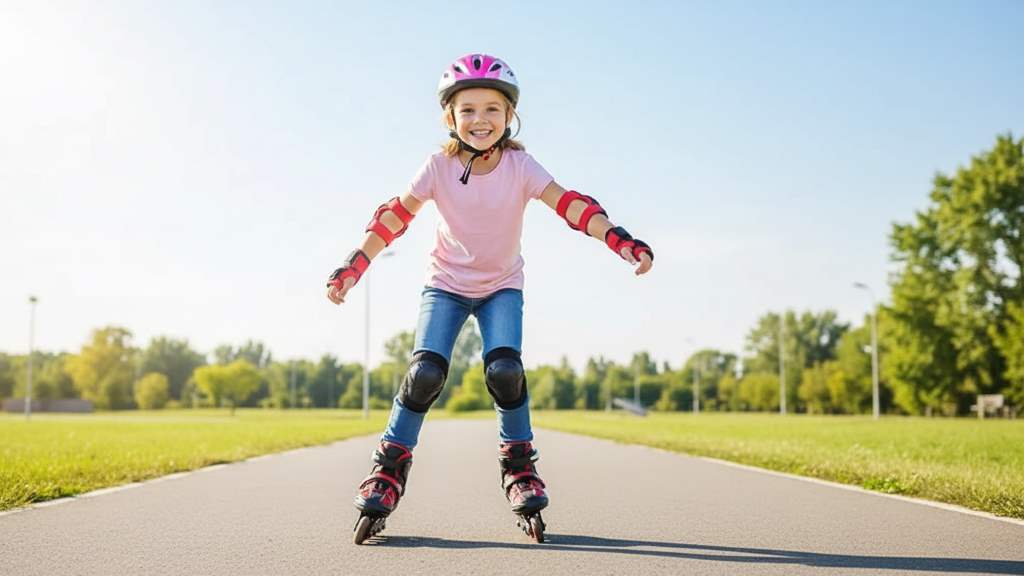
Next come knee and elbow pads. These shield joints during forward or side falls. Wrist guards follow closely. They prevent common fractures when hands hit the ground first.
A complete set includes all three. Many brands offer bundles for convenience.
Consider these must-haves:
- Helmet with proper fit
- Knee pads with secure straps
- Elbow pads for arm protection
- Wrist guards with splints
Add gloves for extra hand safety. Reflective elements help in low light.
Quality gear lasts through active play. It supports multiple sports too.
Features of the BOSONER Protective Gear Set
The BOSONER set stands out for young skaters. It combines safety, comfort, and style.
This kit includes knee pads, elbow pads, and wrist guards. Adjustable Velcro straps ensure a snug fit. Kids move freely without slippage.
Materials impress. Breathable mesh keeps skin cool. EVA foam absorbs impacts reliably. Neoprene adds durability.
Lightweight construction shines here. Pads weigh little, so children skate longer. Ventilation holes reduce sweat buildup.
Sizes range from small to large. Check charts for growing kids. Many parents size up slightly.
Impact-resistant kids pads define this set. Thickened areas protect best during falls.
Colors appeal to boys and girls. Fun designs make wearing gear exciting.
A carry bag adds convenience. Store everything neatly after sessions.
How to Choose the Right Size and Fit
Proper fit prevents injuries. Loose pads shift. Tight ones restrict movement.
Measure carefully. Use knee circumference for knee pads. Elbow and wrist follow similar steps.
Try these steps:
- Measure key areas with a tape.
- Compare to brand charts.
- Adjust straps fully.
- Test movement – bend joints.
- Ensure no gaps or pinching.
Kids grow quickly. Check fit seasonally. Replace when outgrown.
Comfort encourages use. Breathable fabrics help. Soft linings prevent chafing.
Involve children in selection. They wear it more willingly.
Tips for Teaching Kids Safe Skating Habits
Gear alone isn’t enough. Teach habits early.
Start slow. Practice on flat, smooth surfaces. Grass works for first falls.
Demonstrate stopping techniques. T-stop or plow stop build control.
Show safe falling. Tuck chin. Roll with momentum. Avoid outstretched hands.
Supervise always. Watch for hazards like cracks or traffic.
Encourage breaks. Hydration keeps energy up.
Praise efforts. Positive reinforcement builds skills.
Group lessons help too. Peers motivate safely.
Common Mistakes Parents Make and How to Avoid Them
New parents overlook details. Learn from others.
One error skips helmets. Head protection saves lives.
Another buys cheap gear. Low-quality pads fail under impact.
Oversizing happens often. Loose equipment slips uselessly.
Forgetting maintenance shortens life. Clean pads regularly.
Ignoring wrist guards risks fractures. They prove most vital.
Store properly. Avoid direct sun or extreme heat.
Check for wear. Replace damaged items promptly.
Maintenance and Care for Long-Lasting Pads
Good care extends usability. Follow simple routines.
Wipe after use. Remove dirt and sweat.
Hand wash with mild soap. Air dry fully.
Store in cool, dry places. Use provided bags.
Inspect straps and foam. Tighten loose parts.
Avoid machine washing. It damages materials.
Rotate sets if possible. Allows thorough drying.
Proper maintenance keeps pads effective. Kids stay protected longer.
Building Confidence Through Safe Practices
Protected kids try more. They progress faster.
Start with basics. Master balance first.
Advance gradually. Add turns, then speed.
Celebrate milestones. Small wins motivate.
Join family skates. Shared fun bonds everyone.
Track improvements. Photos or videos show growth.
Confidence reduces fear. Safer skating follows naturally.
Additional Safety Measures Beyond Pads
Gear forms the foundation. Layer more precautions.
Choose safe locations. Rinks offer controlled environments.
Avoid roads initially. Stick to paths or parks.
Teach traffic awareness. Stop at edges.
Use lights at dusk. Visibility prevents accidents.
Pair with lessons. Professionals spot bad habits.
Monitor weather. Wet surfaces increase slips.
Combine measures for best results.
Related:
22 Inch Retro Skateboard Showdown: Meketec Mini Cruiser vs. Top Vintage Alternatives
Ultimate Skateboard Buying Guide: Houston to OKC
Conclusion
Safe roller skating starts with preparation. Quality gear like the BOSONER set protects effectively. Combine it with smart habits and supervision.
Children gain skills and joy. Parents enjoy peace of mind.
Invest in protection today. Watch kids thrive on wheels.
Equip your child now. Choose reliable pads and start skating safely together.
FAQs
What age should kids start wearing protective gear for roller skating?
Children begin skating around age 4 or 5. Always use full gear from day one. It builds safe habits early.
How often should I replace kids’ protective pads?
Inspect monthly. Replace if foam compresses or straps fail. Growth demands new sizes every 1-2 years typically.
Can the same pads work for multiple sports?
Yes. Many sets suit skating, biking, and scootering. Check versatility in descriptions.
Do lightweight pads provide enough protection?
Modern lightweight sports pads use advanced foams. They absorb impacts well without bulk.
Why are wrist guards so important for skating?
Falls often involve outstretched hands. Guards prevent common fractures effectively.
References