
Key Takeaways:
- Understand and comply with state-specific concealed carry laws.
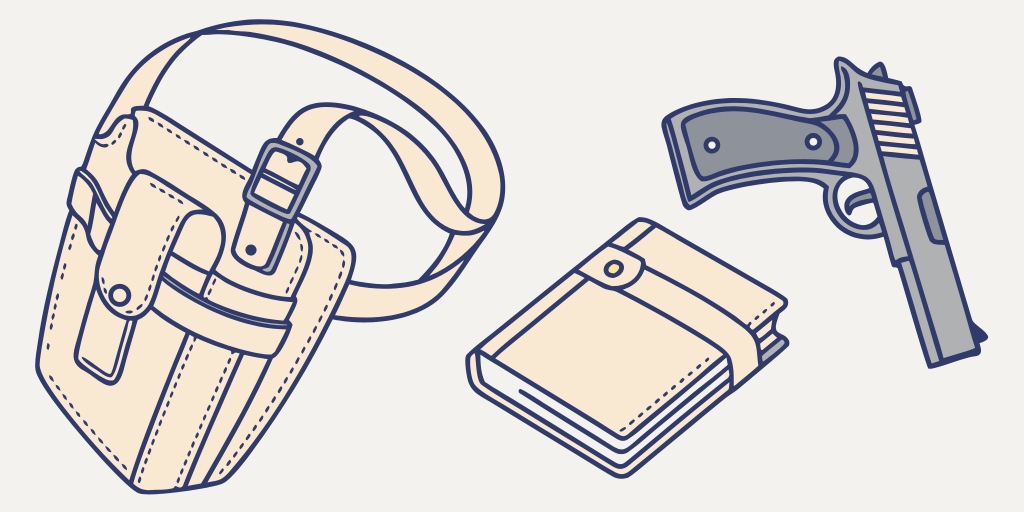
- Select firearms and holsters that provide comfort and concealment.
- Maintain situational awareness and practice regular training.
- Handle firearms responsibly to prevent accidents.
Understanding State-Specific Concealed Carry Laws
Not all concealed carry laws are created equal. Every state in the United States has different requirements, restrictions, and allowances concerning the carrying of concealed firearms. For new and experienced gun owners alike, it’s critical to know these laws to avoid legal complications. Whether you’re obtaining a first-time permit or looking for CPL renewal Madison Heights, MI, consulting official state government sites or legal experts ensures you’re always in compliance. Ignorance of local regulations can lead to severe consequences, including fines, permit revocation, or criminal charges.
Some states require extensive background checks, training courses, and fingerprinting, while others have permitless or constitutional carry, allowing eligible residents to carry concealed without a permit. Restrictions may include specific places where firearms are prohibited, a duty to inform law enforcement officers, and reciprocity agreements with other states. Always review the most up-to-date resources or seek advice from qualified attorneys to stay well-informed.
Selecting the Right Firearm and Holster
Making the right choice of firearm for daily carry involves striking a balance between personal comfort, concealment, and reliability. The most effective concealed carry firearm is one you can comfortably carry every day, shoot accurately, and conceal effectively under regular clothing. Most permit holders generally prefer a subcompact or compact handgun due to its manageable size and weight, though the final decision is a personal one.
Just as crucial as firearm selection is the choice of holster. The holster must provide active retention, secure coverage of the trigger guard, and allow for a smooth and unhindered draw. Each person’s body and wardrobe differ, so testing several holster types—inside- or outside-the-waistband, appendix, ankle, or shoulder—can help identify the best fit for your needs and lifestyle.
Maintaining Situational Awareness
Situational awareness is a skill that transcends the concealed carry lifestyle—it’s a fundamental habit of personal safety and preparedness. Carrying a concealed firearm makes the stakes even higher, demanding that you stay attuned to your environment at all times. Paying attention to unusual behaviors, exits, and crowd dynamics helps you avoid threats and make prudent, proactive decisions before an incident escalates.
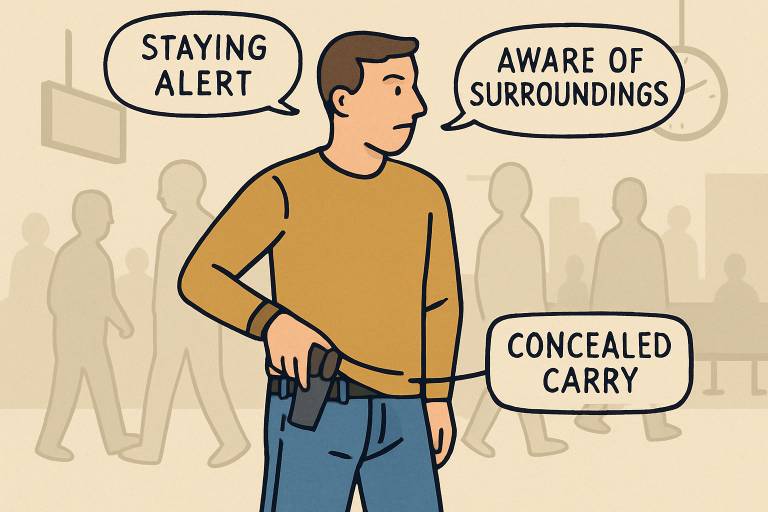
Develop mindfulness despite distractions from smartphones, conversations, or routine errands. By developing a habit of scanning the environment and anticipating risks, you’ll minimize the likelihood of being caught off-guard—potentially preventing the need ever to use your firearm.
Regular Training and Practice
Owning a firearm is a serious responsibility and requires ongoing commitment to training. Regular practice ensures you maintain proficiency in handling, shooting accuracy, and decision-making under stress. Live-fire training at a reputable shooting range, combined with dry-fire drills at home, reinforces muscle memory and confidence in emergencies. Many experts recommend scheduling formal classes or defensive shooting courses to stay sharp, learn new techniques, and stay current with legal and tactical changes.
Seeking out training programs from national organizations, such as the National Rifle Association, or local certified instructors can help you stay informed and better prepared. Consistent, quality practice is not optional for those who carry a concealed weapon—it’s a critical aspect of responsible ownership.
Proper Firearm Handling and Storage
One of the golden rules of firearm safety is to treat every gun as if it’s loaded—always. This foundational discipline significantly reduces the risk of negligent discharges. Finger discipline is equally important: always keep your finger off the trigger until you are ready to shoot. Proper firearm storage is especially crucial when children or guests are present. Utilize locked safes, quick-access lock boxes, or trigger locks to ensure that only authorized users have access to your concealed carry weapon.
Understanding the Use of Force
Concealed carry requires a clear understanding of the laws regarding self-defense and the use of force in your jurisdiction. Laws governing justified use of force, the concept of reasonable fear, “stand your ground” provisions, and the duty to retreat can differ significantly between states. Being educated about when and how you can legally defend yourself is non-negotiable. Mastering these legal frameworks ensures you not only stay on the right side of the law but also make informed, ethical decisions during high-stress encounters.
Maintaining a Low Profile
Carrying concealed is precisely that—concealed. The effectiveness of concealed carry is maximized by maintaining discretion. Broadcasting your carry status, either through conversation or behavior such as constant holster adjusting, can compromise your security and tactical advantage. Choose clothing and holsters that allow for deep concealment, and avoid habits that could “print” your firearm or make it visible to others in public. Discretion helps prevent unwanted attention and potential escalation of situations.
Regular Equipment Maintenance
The reliability of your firearm and holster can determine critical outcomes in life-threatening situations. Regularly inspect your firearms for functionality, lubricate moving parts as recommended by the manufacturer, and check for wear or damage that could affect performance. Similarly, holsters should be checked for loss of retention, integrity of the material, and the integrity of the attachment mechanisms. Establish a maintenance schedule and maintain a checklist to ensure everything is in optimal working order.
By integrating these concealed carry safety tips into your daily routine, you’ll not only protect yourself and your loved ones but also embody the responsible values essential to the wider firearms community.
Final Thoughts on Responsible Concealed Carry
Responsible concealed carry extends beyond simply possessing a firearm—it encompasses knowledge, preparation, and continuous vigilance. Understanding state-specific laws, selecting the right equipment, maintaining situational awareness, committing to regular training, and practicing proper handling and storage all contribute to safer, more confident carry. Equally important are discretion, legal awareness regarding the use of force, and diligent equipment maintenance. By consistently applying these practices, concealed carry permit holders can protect themselves and others while upholding the standards of responsibility and accountability that define safe firearm ownership.