

Packing lunch shouldn’t mean filling landfills with single-use plastics. Every day, millions of plastic bags end up in trash bins after just one use. However, switching to reusable alternatives saves money and protects the environment. Marigold Commerce offers practical solutions for families ready to make this change. The transition is easier than most people think.
Single-use plastics create unnecessary waste in our kitchens and lunch boxes. Therefore, finding sustainable options has become essential for environmentally conscious families. The good news is that zero waste kitchen alternatives provide excellent solutions that work just as well as disposable bags. These alternatives are durable, cost-effective, and safe for both food and the planet.
This guide explores the best methods for packing waste-free lunches. You’ll discover practical containers, wraps, and storage solutions that eliminate plastic bags entirely. Additionally, you’ll learn tips for maintaining these items and organizing your kitchen for success.
Why Ditch Plastic Baggies
Plastic bags take hundreds of years to decompose in landfills. Meanwhile, they break down into microplastics that contaminate soil and water. According to the Environmental Protection Agency, Americans generate millions of tons of plastic waste annually, with food packaging being a major contributor.
Furthermore, plastic bags often contain chemicals that can leach into food. This is especially concerning for items stored in warm conditions. Reusable alternatives eliminate this risk while reducing household waste significantly.
The financial benefits are equally compelling. A typical family spends hundreds of dollars yearly on disposable bags. In contrast, reusable containers last for years with proper care. Therefore, the initial investment pays for itself quickly.
Stainless Steel Containers
Stainless steel lunch boxes offer the most durable plastic-free option. These containers resist dents, stains, and odors effectively. They’re also dishwasher safe, making cleanup effortless after busy days.
Many stainless steel containers feature compartments for different foods. This keeps sandwiches separate from fruit or keeps crackers from getting soggy. Additionally, they maintain food temperature better than plastic alternatives.
The main consideration is weight. Stainless steel containers are heavier than plastic options. However, their longevity and versatility make them worthwhile investments for most families.
Glass Storage Solutions
Glass containers provide another excellent plastic-free choice. They’re completely non-toxic and won’t absorb food odors or stains. Glass also allows you to see contents at a glance, which helps with meal planning.
Tempered glass containers can withstand temperature changes from freezer to oven. This versatility makes them useful beyond lunch packing. Furthermore, they’re microwave safe when lids are removed.
The fragility of glass requires careful handling. Children may need supervision until they develop good habits. Nevertheless, many families successfully use glass containers for years without breakage.
Beeswax Wraps and Cloth Alternatives
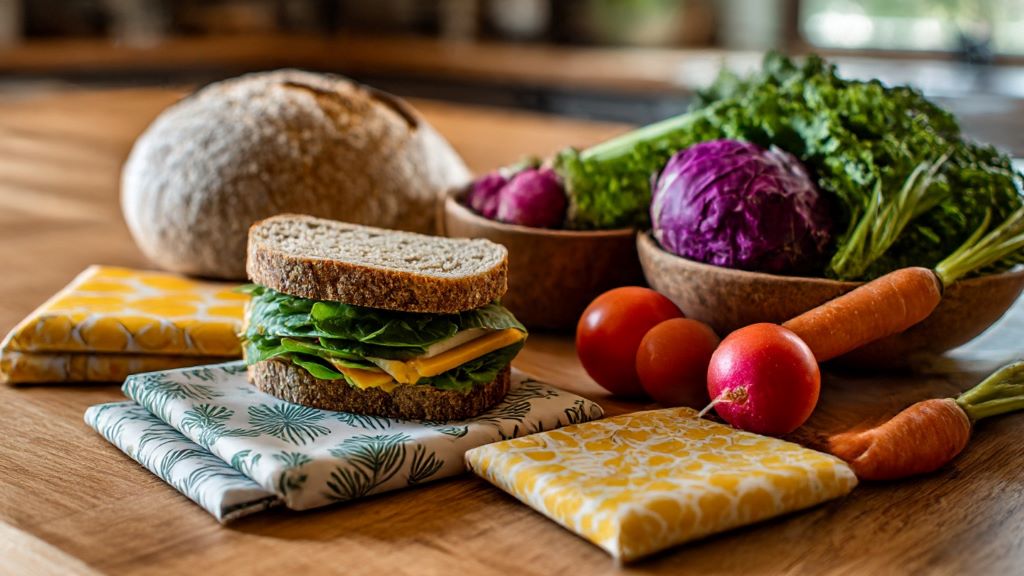
Beeswax wraps revolutionized plastic-free food storage. These reusable cloths mold around food using hand warmth. They’re perfect for sandwiches, cheese, vegetables, and baked goods.
To use beeswax wraps, simply wrap them around food and press gently. The natural beeswax creates a seal that keeps food fresh. After use, wash them with cool water and mild soap. They typically last for a year with regular use.
Cloth snack bags offer another fabric-based solution. These washable bags come in various sizes for different foods. They’re ideal for dry items like crackers, nuts, and chips. Some feature waterproof linings for damp foods.
Silicone Storage Bags
Food-grade silicone bags bridge the gap between convenience and sustainability. They’re flexible like plastic bags but completely reusable. Most brands can withstand freezer, microwave, and dishwasher conditions.
These bags seal tightly to prevent leaks and keep food fresh. They’re transparent, making it easy to identify contents quickly. Additionally, they fold flat when empty for compact storage.
Quality matters significantly with silicone products. Choose bags made from 100% platinum silicone without fillers. These higher-quality options last longer and maintain their integrity better.
Lunch Boxes and Bento Boxes
Traditional lunch boxes have evolved beyond metal boxes with cartoon characters. Modern versions offer sophisticated designs with multiple compartments. These all-in-one solutions eliminate the need for individual bags entirely.
Bento boxes, inspired by Japanese lunch culture, provide perfectly portioned spaces. They encourage balanced meals with sections for protein, vegetables, and grains. Many come with secure lids that prevent spills during transport.
These systems work especially well for children learning about nutrition. Visual compartments make balanced eating intuitive and appealing. Furthermore, they’re simple to pack the night before busy mornings.
Organizing Your Plastic-Free Kitchen
Success with reusable containers requires good organization. Designate specific cupboard space for lunch packing supplies. Keep containers, wraps, and bags together for easy access.
Establish a cleaning routine immediately after lunch returns home. Wash containers promptly to prevent odors and stains. This habit ensures everything stays ready for the next day.
Involve family members in the transition process. Children can help choose containers and learn packing techniques. This builds independence while reinforcing environmental values.
Tips for Maintaining Reusable Containers
Proper care extends the life of plastic-free alternatives significantly. Wash beeswax wraps in cool water only, as hot water melts the coating. Refresh them periodically with additional beeswax when they lose tackiness.
Stainless steel and glass containers benefit from regular deep cleaning. Remove stubborn odors by soaking in baking soda solution overnight. Avoid abrasive scrubbers that can scratch surfaces.
Store containers completely dry to prevent mold and mildew. Stack them neatly with lids nearby for convenient access. Replace items when they show significant wear or damage.
Budget-Friendly Transition Strategies
Switching entirely to reusable containers doesn’t require immediate investment in everything. Start by replacing your most-used plastic bags first. Add new items gradually as budget allows.
Shop secondhand stores for glass containers and lunch boxes. Many thrift stores offer gently used options at fraction of retail prices. Additionally, watch for sales at major retailers throughout the year.
Make your own cloth bags from fabric scraps or old clothing. Simple drawstring designs require minimal sewing skills. This DIY approach saves money while reducing textile waste too.
Conclusion
Eliminating plastic baggies from lunch packing is both practical and beneficial. Reusable alternatives like stainless steel containers, glass storage, beeswax wraps, and silicone bags offer superior performance without environmental harm. These solutions save money over time while keeping food fresh and safe.
The transition requires initial investment and habit changes. However, the long-term benefits for both your wallet and the planet make it worthwhile. Start small, organize thoughtfully, and involve your whole family in the process.
Creating a zero waste lunch routine becomes second nature with practice. Your choice to eliminate single-use plastics contributes to a healthier environment for future generations.
Frequently Asked Questions
How do I clean beeswax wraps without ruining them?
Wash beeswax wraps with cool or lukewarm water and mild dish soap. Hot water melts the beeswax coating. Air dry them completely before storing. Refresh the coating every few months by ironing between parchment paper with fresh beeswax.
Are silicone bags really safe for food storage?
Yes, food-grade silicone bags made from 100% platinum silicone are safe for food. They’re free from BPA, PVC, and other harmful chemicals. Choose reputable brands that provide safety certifications and avoid products with fillers.
What’s the best container for preventing leaks?
Silicone bags and glass containers with silicone gasket lids provide the best leak protection. Look for containers specifically marketed as leak-proof with secure locking mechanisms. Test new containers at home before trusting them in bags.
How long do reusable lunch containers typically last?
Stainless steel and glass containers can last 10-20 years with proper care. Beeswax wraps last about one year of regular use. Silicone bags typically last 3-5 years. Quality items with good maintenance last longest.
Can I pack hot foods in these containers?
Yes, stainless steel and glass containers handle hot foods well. Allow hot items to cool slightly before sealing to prevent excess condensation. Beeswax wraps are not suitable for hot foods as heat melts the coating.
Related Topics: