
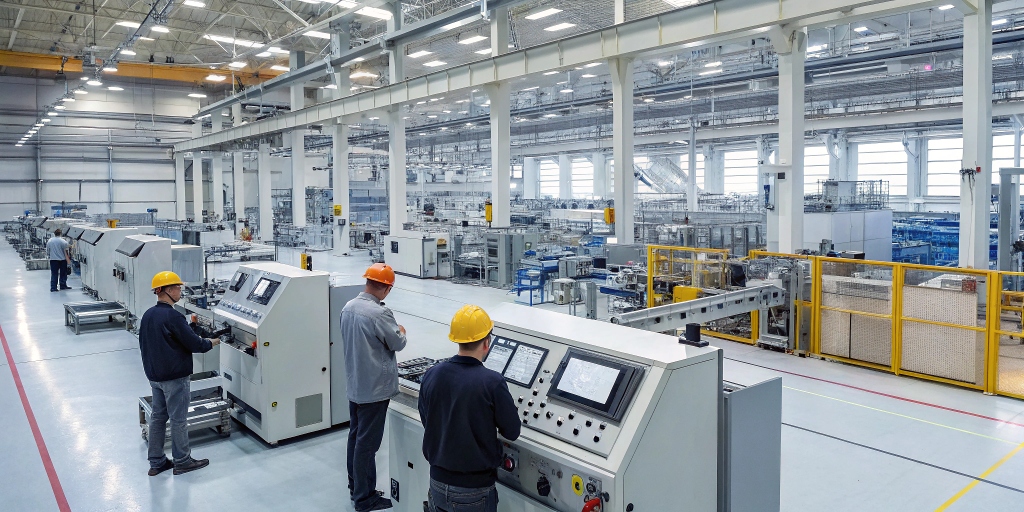
Factories rarely advertise the brains behind their efficiency, yet hidden inside those systems are small computers running complex routines. Workers may see the belts move or the mixers turn, but they don’t always realize how programmed logic orchestrates every step. Asking what is PLC programming opens a window into a world where precision and automation quietly drive productivity forward.
Conveyor Line Coordination Improved with PLC Programming
Conveyors are the highways of industrial plants, carrying products from one stage to the next. Without a well-designed sequence, jams, idle time, or mismatched timing would constantly disrupt production. PLC programming provides the coordination that keeps those belts moving in sync. By using sensors and programmed commands, custom PLC routines determine when to start, stop, or divert items. This means operators no longer need to rely on manual oversight, and the line flows seamlessly from loading to packaging.
What surprises many is how advanced logic can adapt on the fly. If a belt slows down because of a sensor alert, Rockwell Allen Bradley PLC controllers can instantly adjust connected lines to prevent backups. These programmed safeguards reduce waste, protect machinery from damage, and maintain speed. Industrial plants rely on PLC programming company expertise to build these systems because even small timing errors can cost thousands of dollars in wasted production hours.
How Batch Mixing Gains Accuracy Through Programmable Logic
Mixing is more than dumping ingredients into a container—it requires exact measurements and precise timing to guarantee product consistency. A custom PLC controls the valves, motors, and weighing systems that define batch quality. Instead of workers monitoring each step, programmed logic executes the sequence with exact repeatability. That means every batch is mixed under the same parameters, whether it’s the first of the day or the last.
What is PLC programming without accuracy? This is where its strength shines. By monitoring flow rates and adjusting speeds mid-process, programmable logic ensures that one ingredient doesn’t overwhelm another. If a sensor detects an imbalance, the system can automatically correct the ratio before mixing continues. This creates higher consistency, reduces human error, and gives industries the ability to meet strict quality standards demanded by clients and regulators.
Energy Monitoring Made Practical by Simple PLC Controls
Energy use is one of the largest hidden costs in any production facility. Machines that run longer than needed or at higher loads than required add unnecessary expense. Through PLC programming, companies monitor and control energy consumption with surprising precision. A PLC programming company can design sequences that power down idle machines, regulate lighting, or adjust motors based on demand.
By using Rockwell Allen Bradley PLC systems, energy data can be tracked in real time. This information doesn’t just cut costs but also highlights inefficiencies before they spiral into higher bills. Managers can review energy usage reports generated directly from PLC programming and fine-tune production schedules accordingly. The result is a smarter factory floor that operates efficiently without compromising performance.
Packaging Systems Streamlined with Integrated PLC Functions
Packaging may seem like the simplest part of production, yet it involves multiple machines working in harmony. From filling bottles to sealing boxes, timing errors can cause product loss and wasted materials. PLC programming creates a synchronized rhythm across machines so every action happens at the right moment.
Custom PLC systems control filling levels, adjust conveyor speeds, and even monitor sealing quality. By integrating all functions into one logic routine, packaging becomes faster and less error-prone. A Rockwell Allen Bradley PLC can even store multiple packaging recipes, allowing a quick switch from one product line to another without major downtime. For industries balancing multiple products, this adaptability is the difference between staying competitive and falling behind.
Why PLC Programming Enhances Industrial Safety Protocols
Safety isn’t just about protecting machines—it’s about protecting people. An improperly timed motor start or a jammed press can put workers at risk. PLC programming ensures safety interlocks, emergency stops, and sensor checks all function as intended. Instead of relying on human reflexes, safety routines run instantly in response to danger.
Factories often implement custom PLC safety features that prevent equipment from starting if doors are open or guards are removed. Rockwell Allen Bradley PLC systems offer redundancy, meaning even if one sensor fails, the system can still shut down to prevent accidents. A PLC programming company often designs these protections into new systems to meet both safety standards and operational needs.
Temperature Regulation Managed Reliably in Production Environments
Consistent temperature control is essential in industries ranging from food production to chemical processing. PLC programming manages heating and cooling equipment with high precision. A custom PLC can adjust heating elements or refrigeration units in response to sensor data, ensuring products stay within safe and efficient ranges.
The benefit of programmable logic in temperature regulation lies in responsiveness. Instead of gradual manual adjustments, PLC systems react instantly to fluctuations. Rockwell Allen Bradley PLC units can run multiple temperature zones simultaneously, which is vital for complex operations like curing, drying, or chemical mixing. This reliability not only protects product quality but also reduces energy waste caused by inefficient temperature swings.
Material Handling Equipment Supported by PLC Driven Sequences
Forklifts and conveyors may move materials, but automated equipment takes it to the next level. Gantry cranes, robotic arms, and palletizers all depend on PLC programming to coordinate their movements. A custom PLC ensures that loads are lifted, shifted, and placed without collision or error.
PLC programming also supports material tracking by working with sensors and barcode systems. Rockwell Allen Bradley PLC solutions can integrate with warehouse software, making sure materials are not only moved but also logged accurately in inventory. For industries with high throughput, a PLC programming company ensures material handling equipment works like an extension of the production process rather than a separate task.
Motor Control Routines That Keep Operations Consistent
Motors are the backbone of nearly every industrial operation. They power conveyors, mixers, pumps, and countless other machines. Without consistency, the entire process falters. PLC programming establishes motor control routines that regulate speed, torque, and start-stop cycles. This consistency reduces wear and extends machine lifespan.
A Rockwell Allen Bradley PLC can manage multiple motors at once, coordinating them to avoid overload or imbalance. Custom PLC programs even allow predictive maintenance by tracking motor performance over time. If a motor shows signs of strain, the system can flag it before failure occurs. This preventative approach keeps factories running smoothly and ensures production goals are met without unexpected downtime.