
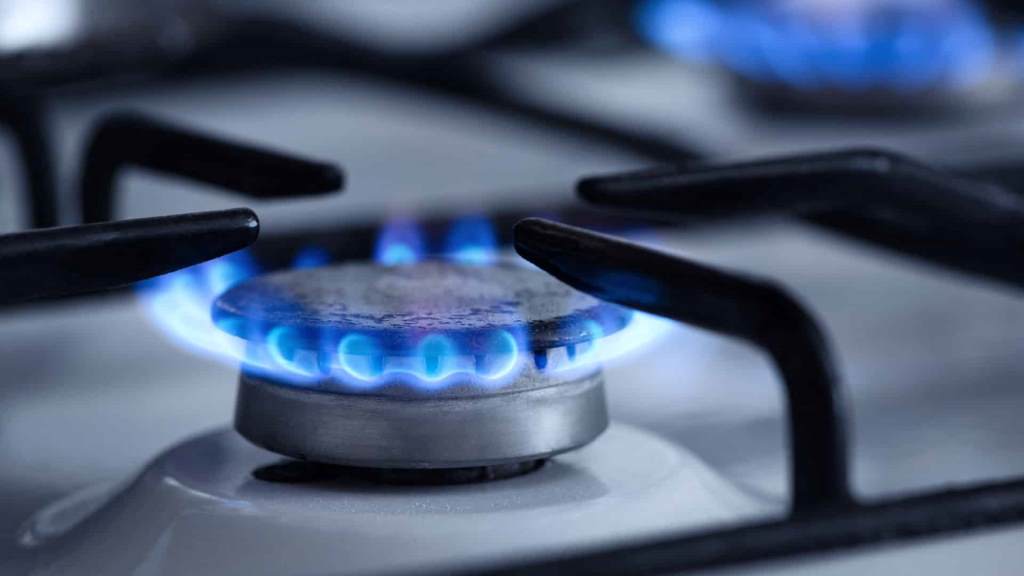
When your gas stove’s oven igniter glows but no flame appears, it can be frustrating, especially when you’re ready to cook. This common issue can stem from various causes, ranging from simple fixes to more complex repairs. At First Grade Appliances, we understand how important a fully functioning oven is to your kitchen. This article explores why your gas oven’s igniter glows without producing a flame, offers step-by-step troubleshooting tips, and provides practical solutions to get your oven back in working order. By following these guidelines, you can diagnose the problem and decide whether to fix it yourself or call a professional.
Understanding the Gas Oven Igniter System
A gas oven relies on an igniter to light the gas and produce a flame. When you turn on the oven, the igniter begins to glow, heating up to ignite the gas released by the gas valve. If the igniter glows but no flame appears, the issue could be related to the igniter itself, the gas supply, or other components. To better understand the heat settings involved, you can explore temperature associations to range top dial temperature to see how oven and stovetop heat settings correlate. Knowing how these systems work can help pinpoint the problem.
The igniter is a critical component, typically made of ceramic and metal, designed to withstand high temperatures. However, over time, it can weaken or fail, leading to issues like the one you’re experiencing. Additionally, other parts, such as the gas safety valve or thermostat, may contribute to the problem. Let’s dive into the possible causes and solutions.
Common Causes and How to Troubleshoot
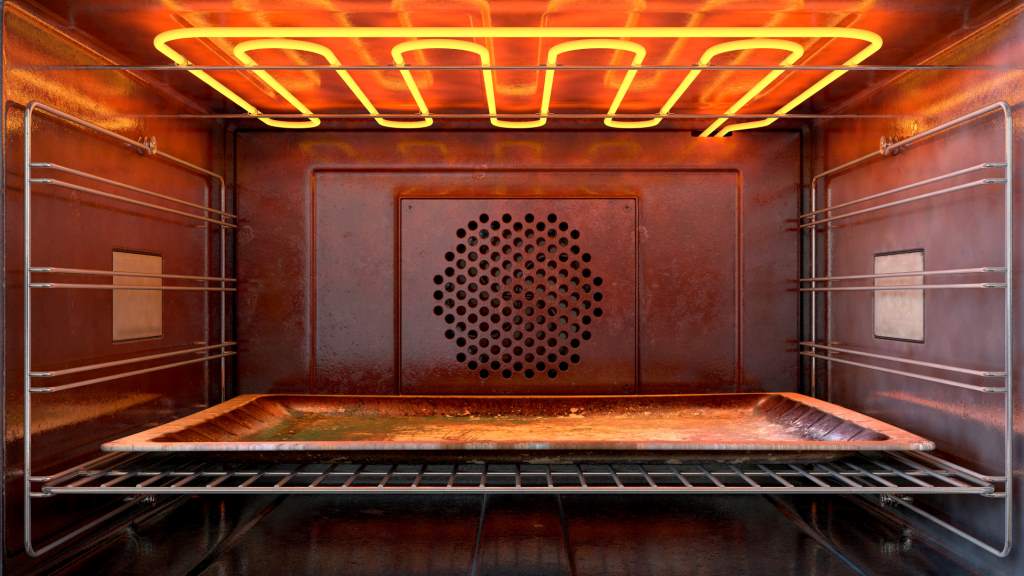
When your gas oven igniter glows but fails to produce a flame, several potential issues could be at play. Below, we outline the most common causes and provide actionable steps to diagnose and fix them.
1. Weak or Faulty Igniter
Even if the igniter glows, it may not be hot enough to open the gas valve. Igniters weaken over time, and a dim glow often indicates insufficient heat.
- Check the igniter’s glow: A healthy igniter should glow bright white or orange. A dull red glow suggests it’s too weak.
- Test with a multimeter: Set a multimeter to ohms and test the igniter’s resistance (consult your oven’s manual for the correct range, typically 50-1200 ohms). If it’s out of range, replace the igniter.
- Solution: Replace the igniter if it’s weak. This is a common repair, and replacement parts are available for most oven models.
2. Gas Safety Valve Issues
The gas safety valve controls the flow of gas to the burner. If it’s faulty, gas won’t reach the burner, even if the igniter glows.
- Inspect the valve: Ensure the valve is receiving power. You may need a technician to test this, as it involves electrical components.
- Listen for gas flow: A faint hissing sound indicates gas is flowing. No sound suggests a valve issue.
- Solution: A professional should replace a faulty gas valve due to the complexity and safety concerns.
3. Blocked Gas Line or Burner
Debris, grease, or food particles can clog the gas line or burner, preventing gas from reaching the igniter.
- Check for blockages: Inspect the burner and gas line for visible obstructions.
- Clean the burner: Use a soft brush or compressed air to clear debris from the burner ports.
- Solution: Regular cleaning prevents blockages. If the problem persists, a technician may need to inspect the gas line.
4. Thermostat or Control Board Malfunction
The thermostat or electronic control board regulates the oven’s temperature and signals the igniter and gas valve. A malfunction can disrupt this process.
- Test the thermostat: If the oven doesn’t maintain consistent temperatures, the thermostat may be faulty.
- Check the control board: Look for error codes or unresponsive controls, which may indicate a board issue.
- Solution: Replacing a thermostat or control board is complex and often requires professional assistance.
5. Power Supply Issues
The igniter requires sufficient electrical current to function properly. Low voltage or wiring issues can prevent proper operation.
- Verify power supply: Ensure the oven is plugged in and the circuit breaker hasn’t tripped.
- Inspect wiring: Loose or damaged wires can disrupt power to the igniter or gas valve.
- Solution: Tighten loose connections or call an electrician for wiring repairs.
For more detailed troubleshooting, the U.S. Consumer Product Safety Commission offers safety guidelines for gas appliances, which can help ensure you’re following safe practices.
Step-by-Step Troubleshooting Guide
To systematically diagnose the issue, follow these steps:
- Ensure Safety: Turn off the oven and disconnect it from power. If you smell gas, ventilate the area, leave the house, and call a professional immediately.
- Inspect the Igniter: Check the glow intensity. If it’s dim, test it with a multimeter or replace it.
- Check the Gas Supply: Ensure the gas valve to the oven is open. Verify there are no gas outages in your area.
- Clean the Burner: Remove any debris from the burner assembly to ensure proper gas flow.
- Test Other Components: If the igniter and gas supply are fine, the issue may lie with the safety valve, thermostat, or control board. Consider professional help at this stage.
If you’re uncomfortable performing these steps, contact a certified technician. Gas appliances require careful handling to avoid risks like gas leaks.
When to Call a Professional
While some fixes, like cleaning the burner or replacing an igniter, are DIY-friendly, others require expertise. For instance, gas valve or control board issues involve complex electrical and gas systems. Additionally, improper repairs can lead to safety hazards, such as gas leaks or fire risks. The National Fire Protection Association provides guidelines on gas appliance safety, emphasizing the importance of professional repairs for complex issues.
Therefore, if you’ve ruled out simple fixes like a weak igniter or blocked burner, or if you’re unsure about handling gas components, call a licensed technician. They can diagnose and repair the issue safely and efficiently.
Preventive Maintenance Tips
To avoid future issues with your gas oven, regular maintenance is key. Here are some tips:
- Clean regularly: Remove grease and food residue from the burner and oven interior to prevent clogs.
- Inspect the igniter: Check for signs of wear, such as a dim glow, and replace it every 3-5 years.
- Schedule professional maintenance: Have a technician inspect your oven annually to catch potential issues early.
- Monitor gas lines: Ensure no leaks or blockages develop by checking for unusual odors or sounds.
By maintaining your oven, you can extend its lifespan and avoid costly repairs.
Read Also:
Philadelphia Smart Oven & Fridge Buying Guide
Stunning Roof Design Ideas for Houston Residences
FAQs
Why does my gas oven igniter glow but not ignite the gas?
The igniter may be too weak to open the gas valve, or there could be an issue with the gas safety valve, thermostat, or a blocked gas line. Test the igniter’s strength with a multimeter and inspect other components.
Can I replace the igniter myself?
Yes, replacing an igniter is often a straightforward DIY task. Ensure the oven is unplugged, follow the manufacturer’s instructions, and use a compatible replacement part.
How do I know if my gas valve is faulty?
If you hear no hissing sound when the oven is on and the igniter glows, the gas valve may not be opening. This requires professional testing and replacement.
Is it safe to use my oven if it’s not igniting?
No, if you smell gas or suspect a leak, turn off the oven, ventilate the area, and call a professional immediately. Never use a malfunctioning gas oven.
How often should I replace my oven’s igniter?
Igniters typically last 3-5 years. If you notice a dim glow or ignition issues, test or replace the igniter to maintain performance.
Conclusion
A gas oven igniter that glows but produces no flame can disrupt your cooking plans, but understanding the root cause can help you resolve it quickly. By systematically troubleshooting the igniter, gas valve, burner, or thermostat, you can identify whether it’s a simple fix or a job for a professional. Regular maintenance, such as cleaning and inspecting components, can prevent future issues and keep your oven running smoothly. If you’re unsure or encounter complex problems, don’t hesitate to call a certified technician to ensure safety and efficiency. With these tips, you’ll be back to baking and roasting in no time.