
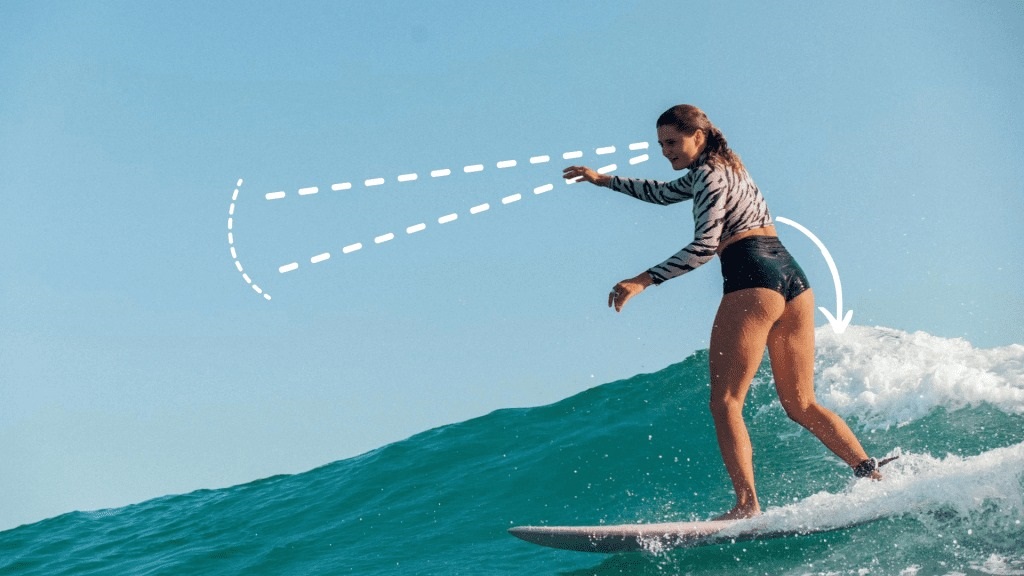
Ocean swells are among nature’s most fascinating phenomena. They travel thousands of miles across open water, carrying energy from distant storms to coastlines around the world. For surfers, boaters, and ocean enthusiasts who rely on quality equipment from Cool Surfing Gear, understanding swells is essential for safety and performance on the water.
Ocean swells differ significantly from regular waves you might see at the beach. While wind-generated waves are choppy and irregular, swells are smooth, organized wave patterns that have traveled far from their origin. Therefore, understanding what is a swell in the ocean becomes crucial for anyone planning water activities.
Additionally, swells carry immense energy that can dramatically affect surfing conditions and boating safety. They form when strong winds blow across large areas of open ocean, creating waves that eventually organize into long, rolling patterns. These patterns can travel across entire ocean basins without losing much energy.
How Ocean Swells Form
The formation of ocean swells begins with weather systems far out at sea. Strong winds from storms, particularly those lasting several hours or days, create waves that eventually become swells. However, the process requires specific conditions to produce the organized wave trains that surfers and sailors recognize.
Wind speed, duration, and fetch all play crucial roles in swell formation. Fetch refers to the distance over which wind blows across open water. Longer fetch areas combined with sustained winds create larger, more powerful swells. Furthermore, the most significant swells often originate from intense storm systems in the open ocean.
The transformation from chaotic storm waves to organized swells happens gradually. As waves travel away from their source, shorter wavelengths dissipate faster than longer ones. Consequently, only the longest, most organized waves survive the journey to distant shores. This natural filtering process creates the smooth, predictable patterns that define true ocean swells.

Types of Ocean Swells
Ocean swells vary considerably based on their origin and characteristics. Ground swells represent the most powerful type, originating from distant storms and traveling thousands of miles. These swells typically have long periods between waves, often 12 to 20 seconds or more. Moreover, ground swells maintain their energy exceptionally well during long-distance travel.
Wind swells, in contrast, form from local weather conditions. They tend to be shorter in wavelength and period, usually ranging from 6 to 10 seconds between waves. Additionally, wind swells often appear choppy and less organized than their ground swell counterparts. They typically don’t travel as far from their source before breaking.
Mixed swells occur when multiple swell trains from different sources converge. This creates complex wave patterns that can be challenging to predict. However, experienced surfers and boaters learn to read these patterns to find the best conditions for their activities.
Impact on Surfing Conditions
Swell characteristics directly determine surfing quality at any given location. Wave height, period, and direction all influence how waves break when they reach the shore. Therefore, surfers closely monitor swell forecasts to find optimal conditions for their skill level and preferred style of surfing.
Swell period particularly affects wave quality. Longer periods typically produce more powerful, well-formed waves that break more predictably. Conversely, shorter periods often result in weaker, more frequent waves that may close out quickly. Additionally, swell direction determines which surf spots will receive the best waves, as different beaches face different directions.
The interaction between swells and underwater topography creates the diverse wave types surfers seek. Reef breaks, point breaks, and beach breaks all respond differently to incoming swells. Furthermore, factors like tide levels and local winds can dramatically modify how swells transform into surfable waves.
According to Surfline, one of the most trusted wave forecasting services, understanding swell characteristics is fundamental to predicting surf conditions accurately. Their detailed swell analysis helps surfers worldwide plan their sessions effectively.
Effects on Boating and Navigation
Ocean swells significantly impact boating safety and comfort. Even in seemingly calm conditions, underlying swells can create challenging situations for vessels of all sizes. Therefore, understanding swell patterns becomes essential for safe navigation and voyage planning.
Large swells can cause uncomfortable rolling motions even when surface winds are light. This phenomenon, known as confused seas, occurs when multiple swell trains from different directions interact. Additionally, swells can create dangerous conditions near harbors and inlets, where they may increase in height due to shallow water effects.
Boat operators must consider swell height, period, and direction when planning routes and activities. Longer swell periods generally create more comfortable conditions for cruising, while shorter, steeper swells can make for rough passages. Moreover, the angle at which a vessel encounters swells affects stability and passenger comfort significantly.
Commercial shipping companies regularly analyze swell forecasts to optimize routes and schedules. The National Weather Service provides detailed marine forecasts that include swell information crucial for maritime operations. This data helps prevent accidents and ensures efficient cargo transport across ocean routes.
Measuring and Forecasting Swells
Modern swell forecasting relies on sophisticated technology and data collection methods. Weather buoys stationed throughout the world’s oceans continuously measure wave height, period, and direction. These measurements feed into computer models that predict swell behavior days in advance.
Satellite technology also contributes valuable swell data. Advanced radar systems can detect wave patterns from space, providing comprehensive coverage of remote ocean areas. Furthermore, numerical weather prediction models incorporate atmospheric and oceanic data to forecast swell generation and propagation.
Wave height measurements typically use significant wave height, representing the average height of the highest one-third of waves in a given area. Swell period measurements indicate the time between successive wave crests, usually expressed in seconds. Additionally, swell direction shows the compass heading from which swells approach a particular location.
Regional Swell Patterns
Different ocean basins exhibit distinct swell patterns based on their geography and weather systems. The Pacific Ocean generates some of the world’s most consistent and powerful swells, particularly from North Pacific winter storms and Southern Ocean systems. These swells travel vast distances, creating world-class surfing conditions along Pacific coastlines.
The Atlantic Ocean produces notable swells from both tropical and extratropical systems. Hurricane swells can generate exceptional surf conditions along the Eastern United States coast, while North Atlantic storms send powerful swells to European shores. However, Atlantic swells typically have shorter travel distances than their Pacific counterparts.
Indian Ocean swells, particularly those generated in the Southern Ocean, create excellent surfing conditions across Indonesia, Australia, and the Indian Ocean islands. These swells often travel unobstructed across thousands of miles of open water, maintaining their energy and organization remarkably well.
Safety Considerations
Understanding ocean swells is crucial for water safety. Even experienced ocean users can encounter dangerous situations when swells exceed expectations or interact with local conditions unexpectedly. Therefore, checking current swell forecasts before entering the water should be standard practice for all ocean activities.
Large swells can create hazardous conditions near rocky shores, piers, and breakwaters. Wave reflection and refraction in these areas can produce unpredictable wave patterns that catch people off guard. Additionally, strong undertows and rip currents often accompany significant swell events, posing serious risks to swimmers and surfers.
Emergency preparedness becomes especially important during large swell events. Rescue operations become more challenging in heavy surf conditions, making prevention the best strategy. Furthermore, communication devices and proper safety equipment can prove lifesaving when conditions deteriorate unexpectedly.
Read More Also: Top Auto Insurance Agents in Houston: Reviews and Quotes
Conclusion
Ocean swells represent one of nature’s most powerful and fascinating phenomena. They carry energy across vast ocean distances, creating the waves that surfers ride and the conditions that challenge boaters worldwide. Understanding what is a swell in the ocean helps water enthusiasts make informed decisions about when and where to pursue their activities safely.
From their formation in distant storms to their transformation into breaking waves, swells follow predictable patterns that modern forecasting can track with remarkable accuracy. Whether you’re planning a surfing trip or a boating expedition, swell knowledge enhances both safety and enjoyment on the water. Therefore, taking time to understand these oceanic rhythms pays dividends for anyone who loves spending time in the marine environment.
Frequently Asked Questions
What’s the difference between waves and swells?
Waves are typically created by local winds and appear choppy and irregular. Swells are organized wave patterns that have traveled long distances from their origin, appearing smoother and more predictable than wind-generated waves.
How far can ocean swells travel?
Ocean swells can travel thousands of miles across open water. Some Pacific swells originating near Japan can reach California shores, covering over 5,000 miles while maintaining significant energy and organization.
What creates the biggest ocean swells?
The largest swells typically originate from powerful storm systems in the open ocean. Factors like wind speed, storm duration, and fetch (the distance over which wind blows) all contribute to creating massive swells that can exceed 30 feet in height.
How do surfers use swell information?
Surfers analyze swell height, period, and direction to predict wave conditions at specific surf spots. Longer swell periods generally produce higher quality waves, while swell direction determines which beaches will receive the best surf.
Are large swells dangerous for small boats?
Yes, large swells can create dangerous conditions for small boats, even when surface winds are calm. The rolling motion can cause seasickness, equipment failure, or loss of control. Boaters should always check swell forecasts before heading out.