
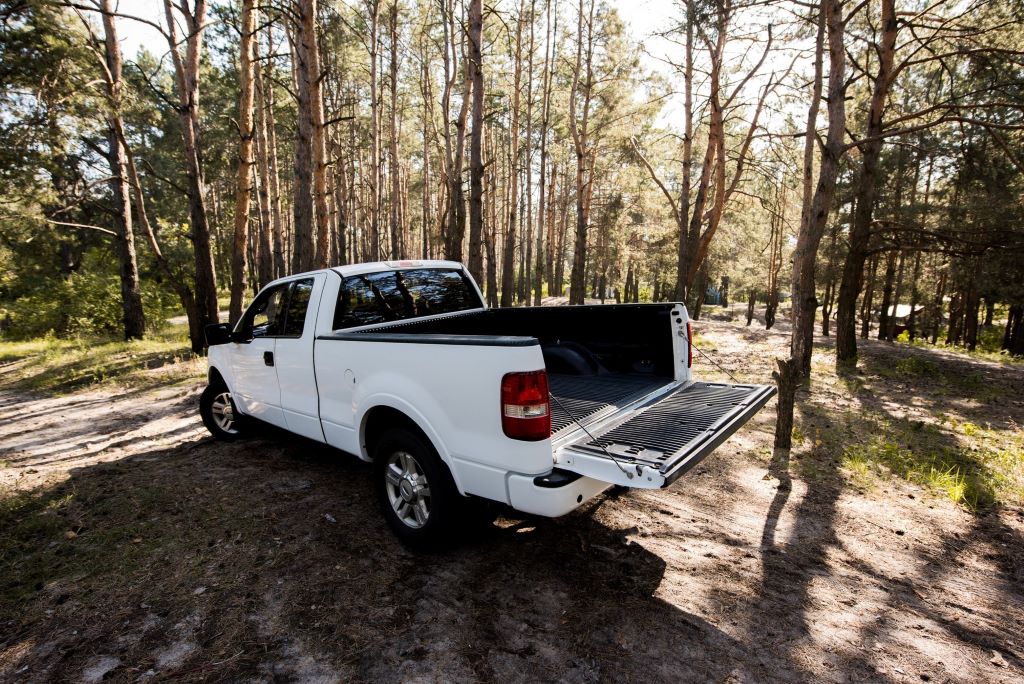
California has long maintained a unique approach to vehicle classification that sets it apart from many other states. The Golden State’s system for categorizing pickup trucks as commercial vehicles has evolved through decades of legislative changes, regulatory adjustments, and practical considerations that continue to impact vehicle owners today.
Understanding the historical context behind California’s commercial vehicle classification system requires examining the state’s progressive approach to transportation regulation. The classification of pickups registered as commercial in ca history dates back to the mid-20th century when state regulators sought to create clear distinctions between personal and business vehicle use. This system was designed to ensure proper taxation, insurance coverage, and regulatory oversight for vehicles used in commercial activities.
The roots of California’s commercial pickup classification system can be traced to the 1960s and 1970s when the state began implementing more sophisticated vehicle registration categories. During this period, lawmakers recognized that pickup trucks served dual purposes in many households, functioning both as personal transportation and work vehicles. Consequently, the state developed criteria that would determine when a pickup should be classified as commercial rather than personal use.
Early Legislative Framework
California’s initial approach to pickup truck classification was relatively straightforward. The state established weight thresholds and usage criteria that would trigger commercial registration requirements. Vehicles exceeding certain gross vehicle weight ratings automatically fell into commercial categories, while lighter trucks required additional scrutiny to determine their primary purpose.
The California Department of Motor Vehicles began implementing stricter guidelines during the 1980s as the popularity of pickup trucks grew among both consumers and businesses. This period saw the introduction of more detailed questionnaires and documentation requirements for truck owners seeking to register their vehicles. The state wanted to ensure that vehicles primarily used for business purposes were properly classified and taxed accordingly.
Furthermore, the emergence of larger, more powerful pickup trucks during the 1980s and 1990s prompted additional regulatory considerations. These vehicles often blurred the line between traditional trucks and passenger cars, leading to more nuanced classification criteria. California responded by developing a more comprehensive framework that considered factors beyond simple weight measurements.
Weight and Configuration Standards
The historical development of California’s weight-based classification system reflects the state’s commitment to fair and accurate vehicle categorization. Initially, trucks with gross vehicle weight ratings exceeding 6,000 pounds were automatically classified as commercial vehicles. However, this threshold evolved over time as manufacturers began producing heavier consumer-oriented trucks.
Additionally, the state began considering vehicle configuration as a determining factor. Trucks equipped with commercial-grade features such as extended cargo beds, specialized mounting systems, or enhanced towing capabilities were more likely to receive commercial classifications. This approach recognized that vehicle design often indicated intended use patterns.
The implementation of these standards required extensive coordination between state agencies and vehicle manufacturers. California worked closely with automakers to establish clear guidelines that would help consumers understand how their vehicles would be classified before purchase. This proactive approach helped reduce confusion and disputes during the registration process.

Business Use Determination
California’s historical approach to determining business use has been both comprehensive and controversial. The state developed criteria that examined not just occasional commercial use, but patterns of business-related activities. Vehicle owners who used their pickup trucks for regular business purposes, even part-time, could find their vehicles subject to commercial registration requirements.
Moreover, the state established documentation requirements that allowed truck owners to demonstrate their vehicles’ primary use patterns. Business owners were required to maintain detailed records showing the percentage of business versus personal use, with specific thresholds triggering commercial classification. This system aimed to create fairness while ensuring appropriate regulatory oversight.
The evolution of these determination methods reflected changing work patterns and economic conditions throughout California. As more individuals began operating home-based businesses or engaging in part-time commercial activities, the state adapted its classification criteria to address these emerging trends. The autonags.com platform has documented many of these regulatory changes and their impacts on vehicle owners.
Insurance and Liability Implications
The historical development of California’s commercial pickup classification system significantly impacted insurance requirements and liability considerations. Trucks classified as commercial vehicles were subject to different insurance minimums, coverage requirements, and liability standards than their personal-use counterparts.
Insurance companies began developing specialized products to address the unique needs of commercially classified pickup trucks. These policies often provided higher liability limits, commercial use coverage, and protection for business equipment transported in the vehicles. However, they also came with higher premiums that reflected the increased risk exposure associated with commercial operations.
Consequently, many pickup truck owners found themselves navigating complex insurance landscapes as they sought appropriate coverage for their vehicles. The state’s classification system directly influenced available insurance options and costs, creating financial implications that extended far beyond registration fees.
Regulatory Enforcement Evolution
California’s enforcement of commercial pickup truck classifications has evolved significantly since the system’s inception. Early enforcement relied primarily on self-reporting and periodic audits, but technological advances and improved data sharing have enhanced the state’s ability to monitor compliance.
The introduction of electronic registration systems allowed for more sophisticated tracking of vehicle use patterns and registration accuracy. State agencies began cross-referencing business licenses, tax records, and insurance filings to identify potential misclassifications. This enhanced oversight capability led to more consistent enforcement and improved compliance rates.
Nevertheless, the state recognized that overly aggressive enforcement could create hardships for legitimate vehicle owners. California developed appeal processes and hardship exemptions that allowed for individual case review when circumstances warranted special consideration. This balanced approach helped maintain system integrity while preserving fairness for vehicle owners.
Modern Implications and Legacy
The historical development of California’s pickup truck classification system continues to influence current regulations and practices. Many of the principles established decades ago remain in effect today, though they have been refined and updated to address contemporary challenges and vehicle technologies.
Today’s classification system reflects lessons learned from decades of implementation and adjustment. The state has maintained its commitment to fair and accurate vehicle categorization while adapting to changing transportation patterns and business practices. This evolutionary approach has helped California maintain a classification system that serves both regulatory needs and practical requirements.
The legacy of California’s historical approach extends beyond state boundaries, as other jurisdictions have adopted similar principles and practices. The state’s experience has provided valuable insights for policymakers and regulators seeking to balance consumer interests with appropriate oversight and taxation.
Conclusion
California’s approach to classifying pickup trucks as commercial vehicles represents a complex evolution spanning several decades. The state’s commitment to fair and accurate categorization has resulted in a sophisticated system that considers multiple factors including weight, configuration, and use patterns. While the system has faced challenges and undergone numerous refinements, it has successfully balanced the needs of consumers, businesses, and regulatory agencies. Understanding this historical context provides valuable insight into current regulations and helps vehicle owners navigate the classification process more effectively. As California continues to adapt its transportation policies to meet emerging challenges, the lessons learned from decades of pickup truck classification will undoubtedly inform future regulatory decisions.
Frequently Asked Questions
-
When did California first start classifying pickup trucks as commercial vehicles?
California began implementing commercial pickup truck classifications in the 1960s and 1970s as part of broader vehicle registration reforms. The system became more sophisticated during the 1980s when the state introduced detailed criteria for determining commercial use patterns and weight thresholds.
-
What weight threshold historically triggered commercial classification in California?
Historically, pickup trucks with gross vehicle weight ratings exceeding 6,000 pounds were automatically classified as commercial vehicles in California. However, this threshold has been adjusted over time as manufacturers began producing heavier consumer-oriented trucks and the state refined its classification criteria.
-
How has California’s enforcement of commercial pickup classifications changed over time?
Enforcement has evolved from primarily self-reporting and periodic audits to sophisticated electronic monitoring and cross-referencing of business records. Modern enforcement uses technology to track use patterns and verify registration accuracy while maintaining appeal processes for individual case review.
-
What factors beyond weight does California consider for commercial classification?
California historically considered vehicle configuration, business use patterns, specialized equipment, towing capabilities, and documentation of commercial activities. The state developed comprehensive criteria examining not just occasional commercial use but regular patterns of business-related activities.
-
How did the commercial classification system affect insurance requirements historically?
Commercially classified pickup trucks were subject to different insurance minimums, coverage requirements, and liability standards. This led to specialized insurance products with higher premiums but also enhanced coverage for business use, equipment protection, and increased liability limits reflecting commercial risk exposure.
Read More: Proven Steps to Creating a Mobile Office in Your Car for Productivity