

Adaptive Cruise Control (ACC) is revolutionizing the way we drive. By automatically adjusting a vehicle’s speed to maintain a safe distance from the car ahead, ACC systems enhance safety and convenience. However, like any technology, these systems are not immune to issues. Diagnosing problems with adaptive cruise control sensors ensures that your vehicle continues to operate optimally.
To explore for comprehensive automotive tips, including maintenance insights, visit Tradecarhub.
The Role of Adaptive Cruise Control Sensors in Modern Vehicles
ACC sensors are critical to a vehicle’s advanced safety features. Using radar and cameras, they monitor the road ahead to detect traffic patterns and potential obstacles. By processing this data in real-time, they adjust the car’s speed accordingly.
However, these sensors can fail due to dirt accumulation, poor calibration, or even environmental factors like heavy rain or snow. Diagnosing issues early is essential for preserving their functionality and ensuring a smooth, worry-free driving experience.
Signs Your Adaptive Cruise Control Sensors May Be Malfunctioning
When your ACC sensors fail, the signs can range from subtle to glaringly obvious. Here are some common indicators:
- Erratic Speed Adjustments: If your car accelerates or decelerates unexpectedly, it might signal a faulty sensor.
- Warning Lights on the Dashboard: Modern vehicles typically alert drivers when ACC systems encounter issues.
- Loss of ACC Functionality: When the cruise control disengages abruptly or refuses to activate, sensor problems could be to blame.
- Inaccurate Detection of Vehicles: Sensors that misread the proximity of other cars can create a hazardous driving situation.
Causes Behind Sensor Failures
-
Environmental Damage
Weather conditions can wreak havoc on sensors. Heavy rain, snow, or fog often obstruct radar signals, while extreme temperatures can affect electronic components.
-
Physical Obstructions
Mud, grime, or ice buildup on sensor surfaces significantly hinders performance. Even a minor obstruction can render these advanced systems ineffective.
-
Faulty Calibration
Improper alignment during installation or after repairs can compromise the accuracy of ACC sensors. Regular calibrations are crucial for maintaining precision.
-
Electrical Issues
Malfunctioning circuits or damaged wiring often lead to sensor errors. Over time, wear and tear in electrical connections can interrupt the flow of data.
How to Diagnose Problems With Adaptive Cruise Control Sensors
Visual Inspection
Begin with a thorough check of the sensors. Look for visible obstructions like dirt, debris, or ice. Cleaning these areas with a soft cloth and appropriate cleaner often resolves minor issues.
Use of Diagnostic Tools
Investing in an OBD-II scanner helps pinpoint sensor-related issues. These devices can identify error codes linked to cruise control problems, saving time and guesswork.
For more insight on diagnostic tools and maintenance, click on https://tradecarhub.com/car-safety/how-long-are-check-engine-codes-stored-a-comprehensive-guide/.
Professional Calibration Services
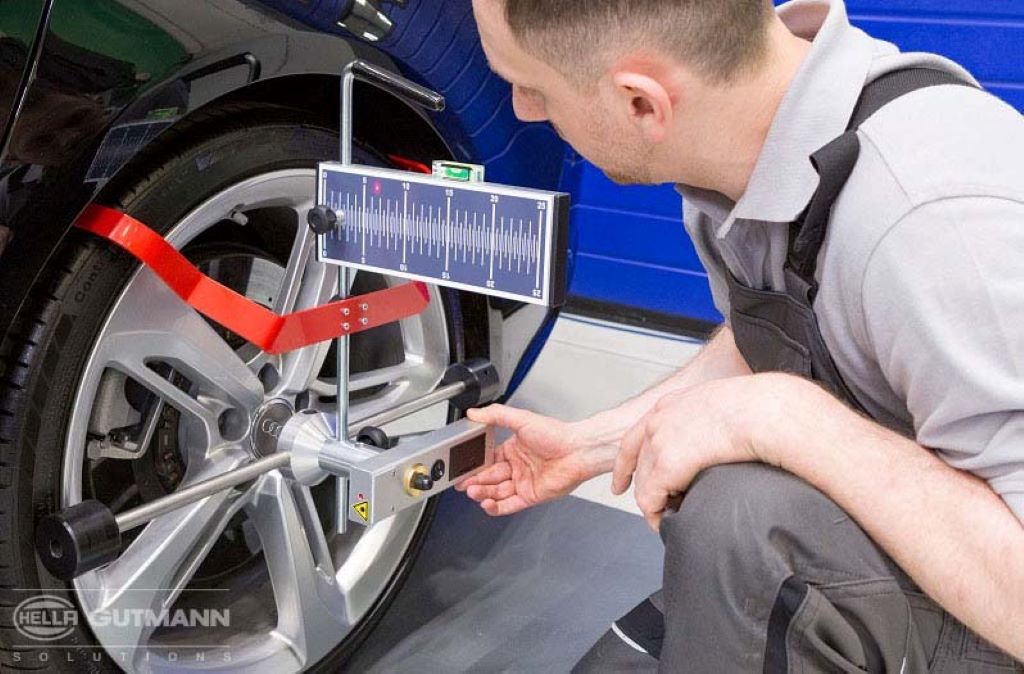
When DIY fixes fall short, seeking professional assistance is the next logical step. Certified technicians can recalibrate sensors using advanced equipment, restoring their functionality.
Preventive Measures to Avoid Sensor Problems
- Regular Cleaning: Ensure sensors are free from dirt and debris, especially after driving through muddy or snowy conditions.
- Scheduled Maintenance: Include ACC sensor checks in your routine service appointments.
- Safe Driving Practices: Avoid tailgating or driving through waterlogged areas that might damage sensor components.
- Software Updates: Keeping your vehicle’s software up-to-date ensures optimal sensor performance and compatibility.
The Evolution of Adaptive Cruise Control
Adaptive Cruise Control systems are part of a broader trend toward autonomous driving. This technology has progressed significantly, with modern systems capable of lane-centering and detecting pedestrians.
Interestingly, if we compare these advancements to how fast cars could go in the 1920s, it’s clear that automotive technology has come a long way. While early vehicles struggled to exceed 70 mph, today’s vehicles blend speed with cutting-edge safety features like ACC.
How to Use the Boiling Water Method to Remove Dents (With Safety Precautions)
FAQs About Diagnosing Problems With Adaptive Cruise Control Sensors
What should I do if my ACC sensor stops working?
First, inspect the sensor for obstructions. If the issue persists, use a diagnostic tool or consult a professional for recalibration.
Can weather conditions permanently damage ACC sensors?
In most cases, weather-related issues are temporary. However, prolonged exposure to harsh conditions may require replacement of damaged components.
How often should ACC sensors be calibrated?
It’s advisable to calibrate them after significant repairs, windshield replacements, or every two years during routine maintenance.
Are ACC sensors expensive to replace?
Replacement costs vary but typically range from $200 to $600 per sensor, depending on the vehicle model and repair complexity.
Can I use my ACC system without fully functioning sensors?
No, compromised sensors affect system accuracy, which could lead to unsafe driving conditions.
How does ACC compare to standard cruise control?
While standard cruise control maintains a set speed, ACC adjusts speed dynamically based on traffic, making it safer and more efficient.
You Might Enjoy: Why Does My Car Shake When I Brake
Conclusion
Diagnosing problems with adaptive cruise control sensors requires vigilance and timely action. By understanding the causes and solutions, you can ensure these systems work seamlessly to enhance driving safety. Regular maintenance, proper cleaning, and periodic calibration play key roles in preventing sensor issues.