
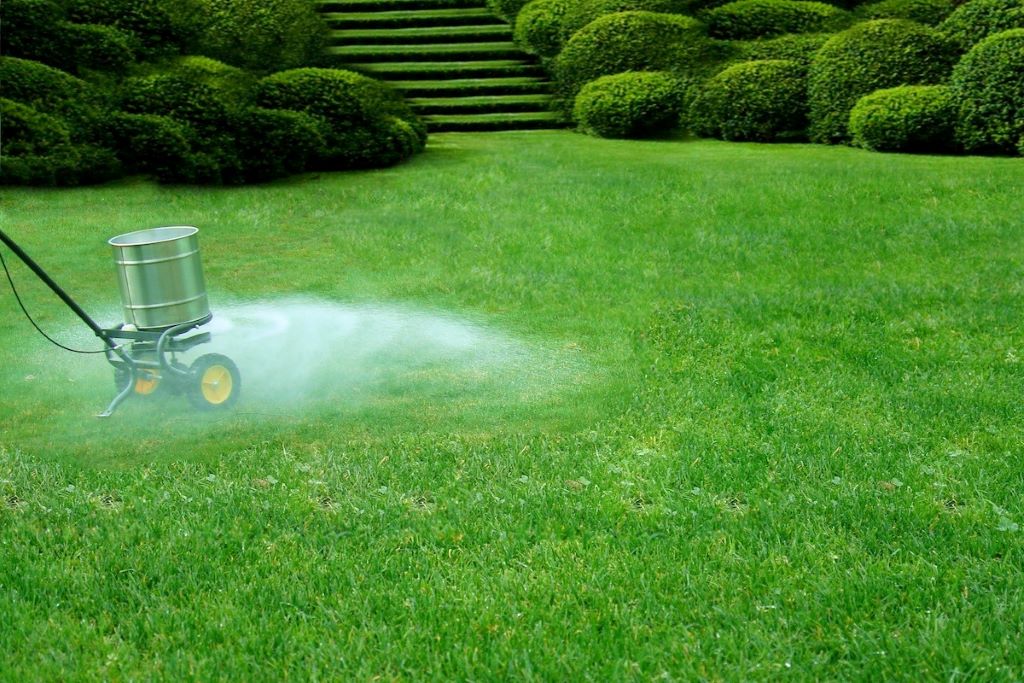
Maintaining a vibrant, green lawn during Miami’s winter months can seem challenging. Unlike northern states, Miami’s subtropical climate means your lawn doesn’t go completely dormant. However, this mild winter still demands specific care techniques to keep your grass healthy and lush. Miami winter lawn care: keep it green year-round is more than just a motto—it’s a practical goal achievable through knowledge, timing, and proper lawn maintenance.
Understanding Miami’s Winter Climate and Its Impact on Lawns
Miami’s winters are mild, with average temperatures ranging from the mid-50s to mid-70s Fahrenheit. Unlike colder regions where grass goes dormant and turns brown, Miami’s warm-season grasses, such as St. Augustine and Bahia grass, slow their growth but do not fully shut down. This subtle slowdown means your lawn needs a different care routine during winter.
According to the University of Florida Extension, St. Augustine grass, common in Miami, reduces its growth but remains semi-active. Therefore, neglecting your lawn during winter may lead to patchy grass and increased weed invasion. However, overwatering and fertilizing at the wrong time can damage roots and increase fungal problems.
Essential Lawn Care Practices for Winter in Miami
-
Mowing Adjustments
While summer mowing requires a higher frequency, winter calls for less frequent but still regular mowing. Keep your grass height slightly higher during winter, around 3 to 4 inches for St. Augustine, to help shade the soil and protect roots from cooler temperatures. Cutting too short can stress the grass, making it susceptible to disease.
-
Smart Fertilization
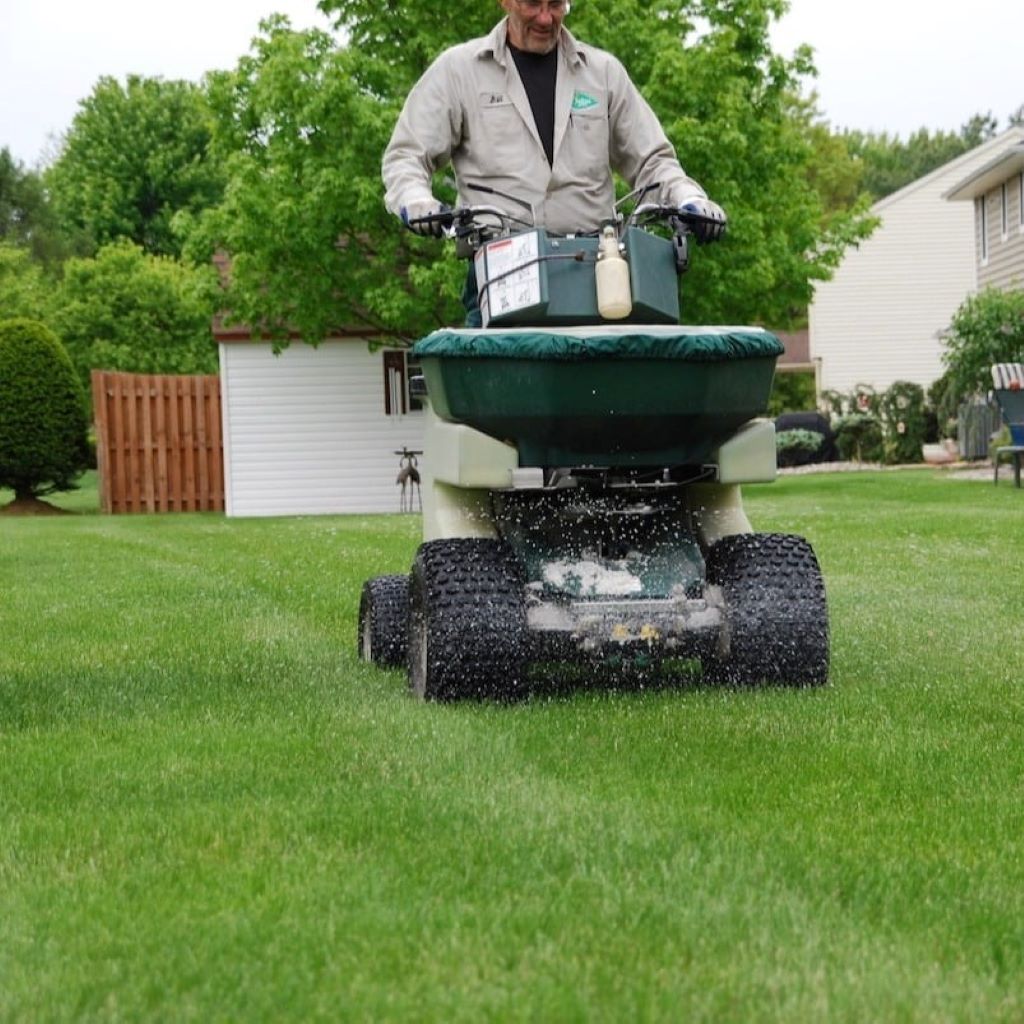
Fertilizing during Miami’s winter requires precision. Applying nitrogen-heavy fertilizers late in the season encourages new growth that can get damaged by unexpected cold snaps. Experts recommend using a balanced or slow-release fertilizer in late fall or early winter. The University of Florida suggests avoiding high nitrogen fertilizers from November through February, emphasizing potassium and phosphorus instead to strengthen roots.
-
Watering Wisely
Despite the cooler weather, Miami winters can still experience dry spells. However, overwatering leads to fungal diseases like brown patch or dollar spot. Use deep, infrequent watering practices to encourage strong root systems. Water early in the morning to reduce evaporation and avoid nighttime watering to minimize disease risk.
-
Weed Control Strategies
Winter weeds can quickly invade neglected lawns. Pre-emergent herbicides applied in late fall can prevent weed seeds from germinating. For existing weeds, spot treatments with selective herbicides work best to avoid harming your grass. A thick, healthy lawn is your first defense against weeds, which is why consistent care matters.
-
Aeration and Soil Care
Aerating your lawn once a year, preferably in early fall, helps relieve soil compaction and promotes root growth. Miami soils often contain clay, which can become compacted and inhibit water absorption. Adding organic matter or topdressing with compost can improve soil structure, enhance drainage, and support microbial health.
Diverse Opinions on Miami Winter Lawn Care
While many lawn care professionals advocate for minimal fertilization during Miami’s winter, some suggest light applications of nitrogen if the lawn shows signs of stress or thinning. This debate reflects the varying microclimates within Miami’s region and differing lawn grass varieties.
Some homeowners prefer a natural approach, reducing chemical use and relying on organic fertilizers and soil amendments. They argue this approach builds long-term soil health and resilience. However, traditional lawn care providers emphasize timely fertilization and herbicide use to maintain immediate aesthetic appeal.
Logically, the best approach combines both philosophies: focus on soil health and use fertilizers responsibly. Tailoring care to your lawn’s specific needs and observing its response is key.
Real Solutions Backed by Data and Expertise
A 2023 study by the Lawn Institute showed lawns maintained with balanced fertilization and proper watering had 35% fewer disease outbreaks and remained greener by 20% during winter months. This reinforces the importance of a consistent winter care regimen.
Moreover, Miami’s local extension services recommend using grass-specific fertilizers and soil testing to avoid nutrient imbalances. This step can prevent costly mistakes, such as over-fertilizing or nutrient deficiencies, which lead to lawn damage.
Practical Tips for Miami Winter Lawn Care
- Monitor weather forecasts for potential cold snaps and adjust watering accordingly.
- Test your soil annually to optimize fertilizer type and quantity.
- Avoid heavy foot traffic on wet grass to prevent soil compaction and damage.
- Keep mower blades sharp to ensure clean cuts that reduce disease risk.
- Apply mulch around lawn edges to retain soil moisture and temperature.
FAQs about Miami Winter Lawn Care
- Can I fertilize my lawn during Miami’s winter?
Yes, but use a balanced or slow-release fertilizer with less nitrogen and more potassium to strengthen roots without encouraging fragile new growth. - How often should I water my lawn in Miami’s winter?
Water deeply once or twice a week, depending on rainfall, avoiding overwatering to reduce disease risk. - What grass types thrive in Miami’s winter?
Warm-season grasses like St. Augustine, Bahia, and Zoysia maintain some growth in winter and respond well to tailored care. - Is aeration necessary for winter lawn health?
Aeration in early fall improves soil health and root growth, which benefits the lawn throughout winter. - How do I control winter weeds in Miami?
Apply pre-emergent herbicides in late fall and spot-treat existing weeds with selective herbicides. - Can I mow my lawn during winter?
Yes, mow less frequently and keep grass at a higher cut to protect roots. - How does cold weather affect Miami lawns?
Occasional cold snaps can stress grass, especially if it has new growth from improper fertilizing.
Final Thought
Miami winter lawn care: keep it green year-round is achievable through understanding the unique climate and grass behaviors. Proper mowing, fertilization, watering, and weed control during winter build a resilient lawn ready for the heat of summer. Implementing expert advice and tailoring care to your lawn’s needs ensures a lush, vibrant yard that stands out every season.
Read More:
Seasonal Planting: What to Plant in Your Garden Year-Round